TailVille
At a glance
Rough ranges for supplies, food and electricity in Korea (USD is approximate). Purchase or adoption fees are not included.
People with time and energy for daily walks who want a companion to share an active routine with.
Anyone regularly out for ten hours a day, or whose living situation over the next decade is too uncertain to guarantee a home for a dog.
1. Overview
The dog (Canis lupus familiaris) is a carnivoran mammal of the family Canidae and the first animal humans ever domesticated. Unlike cattle, sheep or chickens, dogs joined us before farming existed, while people were still living as hunter-gatherers. Estimates of the global dog population run to several hundred million, and a large share of those animals are free-ranging village dogs rather than pets with a single owner.
What sets the dog apart as a companion is that it actively seeks social contact with people. Dogs follow our gaze, understand a pointing finger and read emotion in the pitch of our voice. Wolves raised by hand rarely do these things as readily, so most researchers see them as traits shaped by thousands of years of living alongside humans.
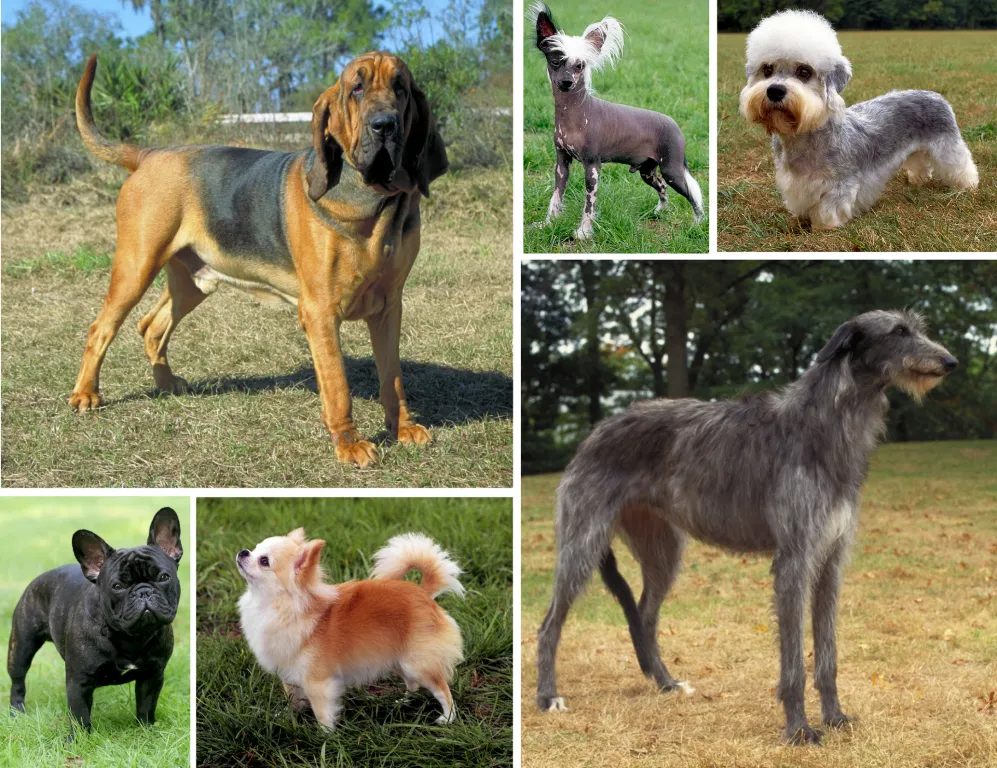
Few species vary as much in size. A fully grown Chihuahua may weigh under 2 kg, while some mastiffs pass 70 kg, yet they belong to the same species and can, in principle, interbreed. Because breeds differ so sharply in energy, grooming needs, vocal habits and inherited health problems, anyone choosing a dog needs to understand both dogs in general and the specific breed or mix they are considering.
This article covers the dog from its origins to its body, breeds, behaviour, care, diet, health, breeding, costs, legal duties and place in culture, with notes on how dog keeping looks in South Korea alongside the wider world.
2. Name and classification
M. Rehemtulla · CC BY 2.0
2.1. Scientific name and taxonomy
The dog is usually written Canis lupus familiaris, treating it as a subspecies of the grey wolf. Some authorities prefer Canis familiaris, giving the dog full species status, so both names appear in the literature. Either way, nobody disputes that dogs and wolves are extremely close genetically.
| Rank | Name |
|---|---|
| Kingdom | Animalia |
| Phylum | Chordata |
| Class | Mammalia |
| Order | Carnivora |
| Family | Canidae |
| Genus | Canis |
| Species | Canis lupus (grey wolf) or Canis familiaris |
| Subspecies | Canis lupus familiaris |
Genome studies suggest dogs did not descend from any wolf population alive today but from an extinct lineage of ancient wolves. So rather than saying dogs come from modern wolves, it is more accurate to say the two share a common ancestor and remain close cousins.
2.2. Etymology and names
The English word dog comes from Old English docga, a word whose deeper origin is still uncertain; it seems to have started as a term for a particular powerful type of dog before replacing the older general word. That older word survives as hound, related to German Hund and Dutch hond, though in modern English it narrowed to mean hunting dogs.
In Korean the dog is gae, an ancient native word found in nearly the same form in medieval texts, and a puppy is gangaji. The Sino-Korean character gyeon (犬) appears in words such as banryeogyeon, literally companion dog, which has largely replaced the older term for pet dog in everyday and legal language.
The phrase companion animal itself was popularised at a 1983 symposium in Vienna marking the anniversary of Konrad Lorenz's birth, as a way of describing animals that share our lives rather than serve as toys. Many languages, including Korean, adopted the idea over the following decades.
2.3. Close relatives
The genus Canis also includes the coyote, golden jackal, African golden wolf and Ethiopian wolf. They share 78 chromosomes with dogs and wolves, so crosses can produce fertile offspring, and wild canids in North America often carry a mix of wolf, coyote and dog DNA.
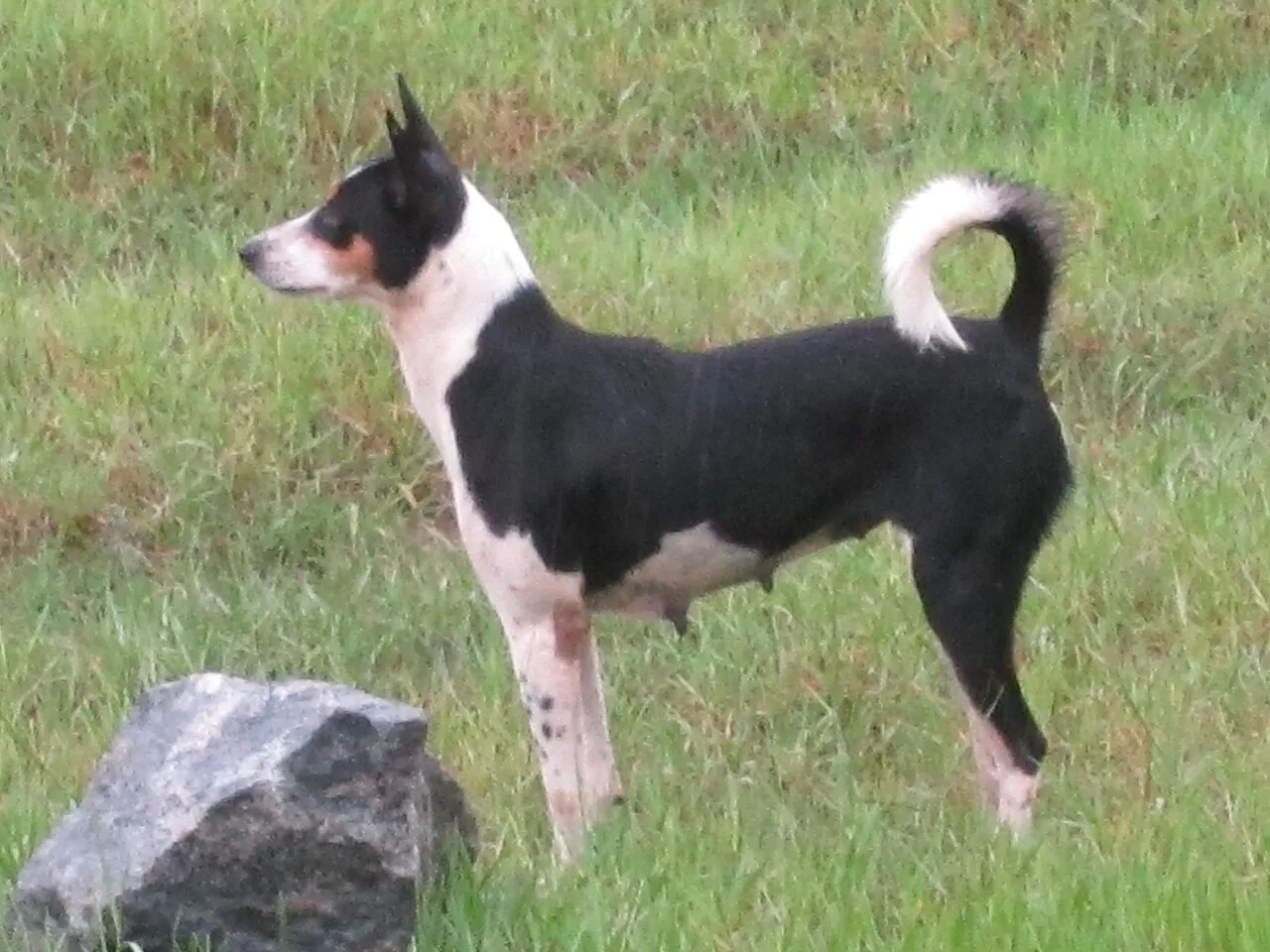
Australia's dingo and the New Guinea singing dog are generally seen as descendants of dogs that travelled with people long ago and then returned to a wild life. Foxes, raccoon dogs and dholes belong to the dog family but not to Canis, and they cannot breed with dogs. The raccoon dog, native to East Asia including Korea, is unusual among canids for entering a winter torpor.
3. History
3.1. Domestication
When and where dogs were first domesticated remains one of the liveliest debates in the field. Among the most secure early examples is a dog buried with two people at Bonn-Oberkassel in Germany around 14,000 years ago. Genetic studies push the split between dog and wolf lineages further back, to somewhere between 15,000 and 30,000 years ago. Siberia, East Asia, Europe and the Middle East have all been proposed as the birthplace, and some researchers argue it happened more than once.
Many scientists favour a self-domestication model over the image of people adopting wolf cubs. In this view, bolder wolves were drawn to scraps around human camps; those less afraid of people fed more easily and survived better, and over generations the population became tamer and more attuned to human signals.
Farming widened the dog's role and even its diet. Many dogs carry extra copies of AMY2B, a gene for digesting starch, which is read as an adaptation to scavenging grain-rich human food. Lineages with less contact with early farmers, such as Arctic sled dogs and dingoes, tend to have fewer copies.
3.2. The rise of breeds
Ancient Egyptian and Mesopotamian art already shows distinct types of dog: lean sighthounds, heavy guard dogs and small companion dogs. For thousands of years people bred dogs for what they could do rather than how they looked, so herding dogs, terriers that went to ground, sled dogs and flock guardians developed separately in different regions.
The modern idea of a breed with a closed studbook is largely a Victorian British invention. The first organised dog show was held in Newcastle upon Tyne in 1859, and the Kennel Club in London followed in 1873, formalising pedigrees and written breed standards. The American Kennel Club was founded in 1884 and the Fédération Cynologique Internationale (FCI) in 1911. The FCI currently recognises roughly 350 breeds; registries differ, and counting regional breeds the total passes 400.
Breeding to a written standard for appearance has had costs. Flat-faced breeds struggle to breathe, and closed gene pools have concentrated inherited diseases. In recent years several kennel clubs have revised standards and added health-testing schemes to push back against these problems.
3.3. Dogs in Korean history
Dogs have lived on the Korean Peninsula for a very long time. Dog bones turn up at Neolithic sites, and murals in Goguryeo tombs show dogs at their owners' side. Joseon-era painters produced tender images of mother dogs with puppies, a popular subject in paintings of birds and animals.
In traditional village life most dogs lived in the yard as watchdogs. Regional native types existed across the peninsula, but many disappeared or were crossbred during the colonial period and the Korean War. The Jindo was protected as a natural monument under colonial rule in 1938 and again by the Korean government in 1962, and the Sapsal and the short-tailed Donggyeong dog of Gyeongju later received the same status after restoration programmes.
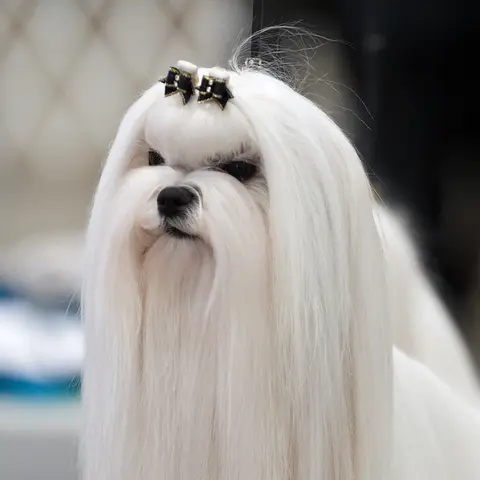
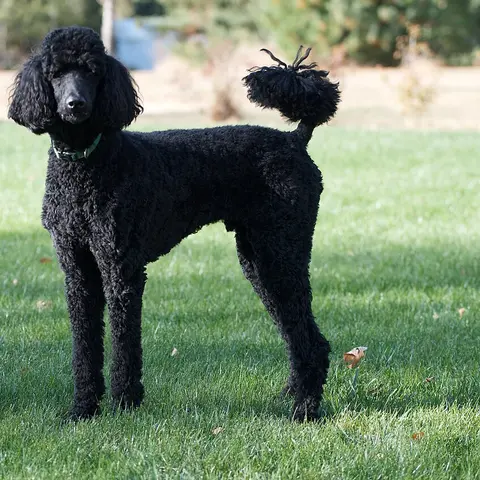
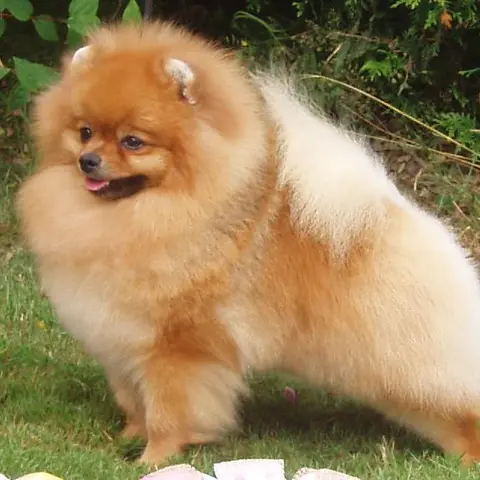
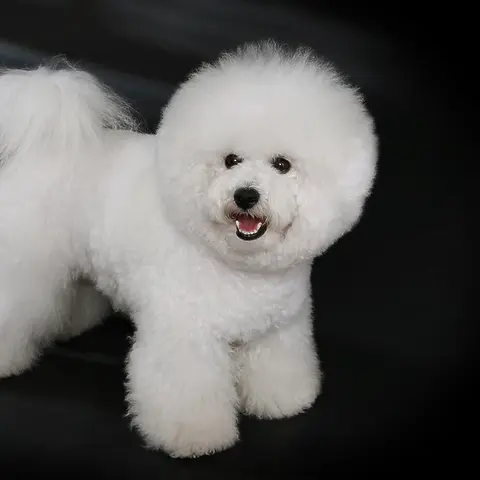
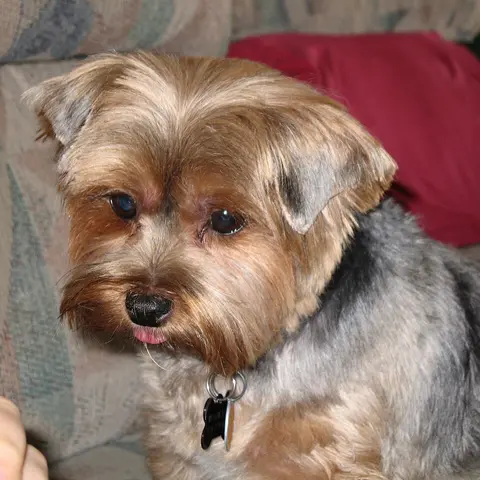
Mass apartment living from the 1980s onward moved dogs indoors. Small breeds such as the Maltese, Shih Tzu and Yorkshire Terrier dominated first, followed in the 2000s and 2010s by toy and miniature Poodles, Pomeranians and Bichons. Fashion in breeds has tended to follow television, advertising and, more recently, social media.
3.4. Changing attitudes
Since the 2000s, Korean attitudes have shifted quickly from seeing the dog as a yard animal to treating it as a family member. Dog-friendly cafés and hotels, off-leash parks, pet taxis, pet insurance and pet funeral services have all appeared, and the Animal Protection Act has been revised repeatedly to add mandatory registration, a leash-length rule and stricter controls on dogs classed as dangerous.
Dog meat was a long-running source of controversy. As companion-dog culture grew, public opinion turned against the trade, and in 2024 the National Assembly passed a special act to end the breeding, slaughter and sale of dogs for food, with a grace period for farms and restaurants to close or convert. Abandonment is still a serious problem: shelters take in large numbers of dogs every year, which is why adopt-don't-shop campaigns remain prominent.
Worldwide, a similar arc has played out at different speeds. In much of Europe, North America and East Asia, dogs now sleep indoors, see vets regularly and appear in family photos, while elsewhere free-roaming village dogs remain the norm.
4. Body
Joliot · CC BY-SA 3.0
4.1. Size and skeleton
Size categories vary between countries and organisations, but a common rough scheme looks like this:
| Category | Adult weight | Example breeds |
|---|---|---|
| Toy | under about 4 kg | Chihuahua, Yorkshire Terrier, Toy Poodle |
| Small | about 4–10 kg | Maltese, Shih Tzu, Pomeranian, Bichon Frise |
| Medium | about 10–25 kg | Pembroke Welsh Corgi, Beagle, Jindo, Border Collie |
| Large | about 25–45 kg | Golden Retriever, Labrador Retriever, German Shepherd |
| Giant | over about 45 kg | Great Dane, Saint Bernard, Mastiff |
A dog has around 320 bones, the exact number depending on tail length. Dogs walk on their toes, so the backward-bending joint halfway up the hind leg is really the ankle, not the knee. The collarbone is reduced to a tiny remnant, leaving the shoulder attached by muscle alone, which lets the front legs swing through a long stride.
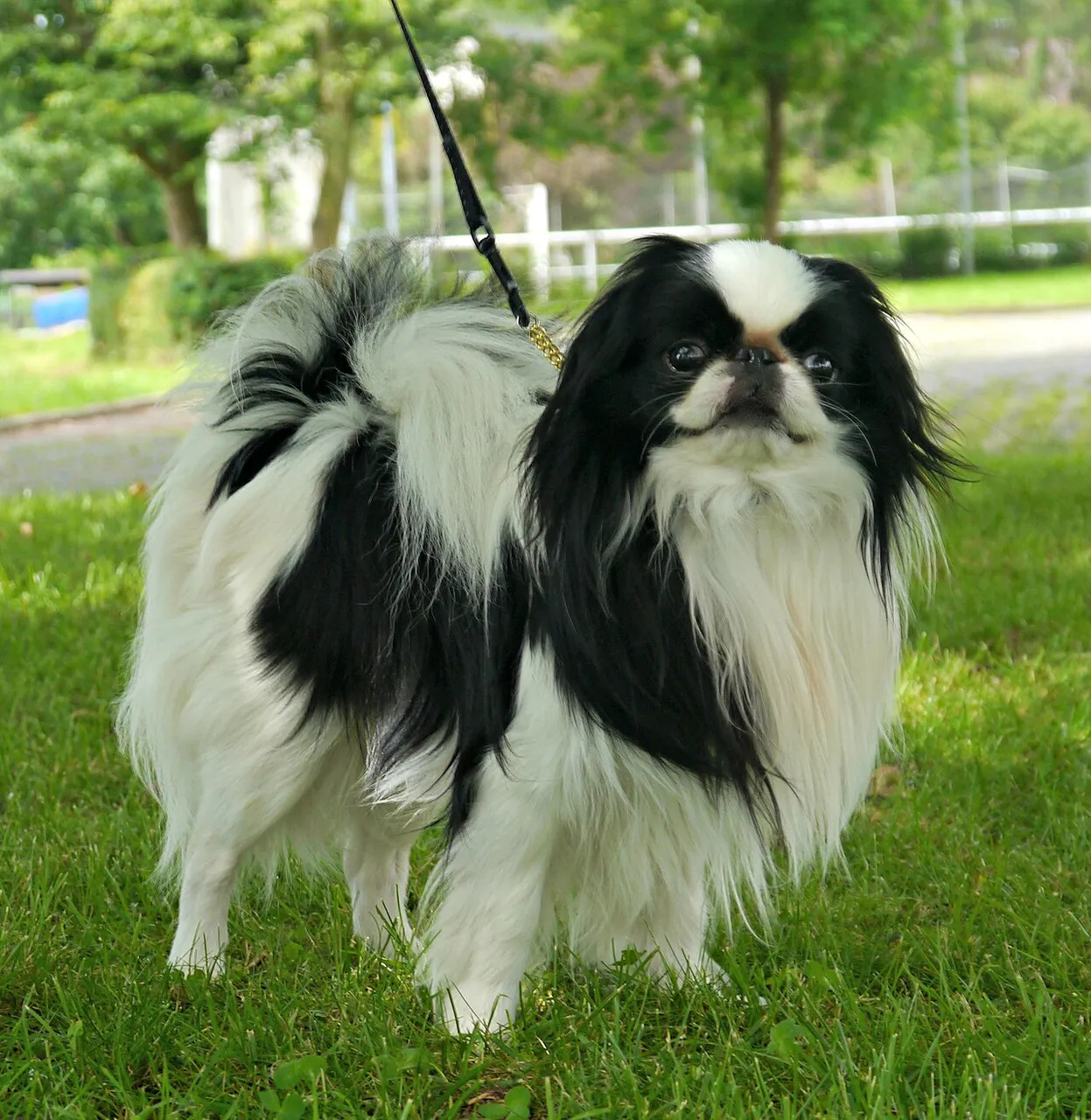
Head shape falls into three broad types: long-muzzled (dolichocephalic) breeds such as Greyhounds and Collies, medium (mesocephalic) breeds such as Labradors and Beagles, and short-faced (brachycephalic) breeds such as Pugs, Bulldogs and Shih Tzus. The flat face many people find appealing comes with narrowed airways and poor heat tolerance.
Adult dogs have 42 permanent teeth; puppies have 28 milk teeth that start erupting at three to four weeks and are replaced between about four and seven months. Retained milk teeth are common in toy breeds and are often removed during neutering surgery.
4.2. Senses
Smell is the dog's headline sense. Humans have a few million olfactory receptors; dogs have somewhere between 100 and 300 million depending on breed, and the brain area devoted to smell is proportionally far larger. When a dog sniffs, part of the air is diverted into a dedicated scenting chamber, and exhaled air leaves through the side slits of the nostrils, so scent can be sampled almost continuously. That is why dogs are used to detect drugs, explosives, missing people and, in research settings, the odour of certain diseases.
Hearing is also acute. People hear up to roughly 20 kHz; dogs can pick up sounds above about 45 kHz. Around 18 muscles let them swivel and tilt the ear flap to pinpoint a sound, and that sensitivity helps explain why so many dogs are terrified of thunder and fireworks.
Vision works differently from ours. Dogs have only two types of colour-sensing cone, so they see mostly in blues and yellows and struggle to tell red from green; a red ball on green grass can be surprisingly hard for them to spot. They are better than us at detecting motion and seeing in dim light, helped by the tapetum lucidum, a reflective layer behind the retina that makes their eyes glow in flash photos.
Taste is comparatively blunt, with about 1,700 taste buds against roughly 9,000 in people. Dogs appear to have receptors at the tip of the tongue that respond to water and are less sensitive to salt than we are.
4.3. Coat, skin and temperature
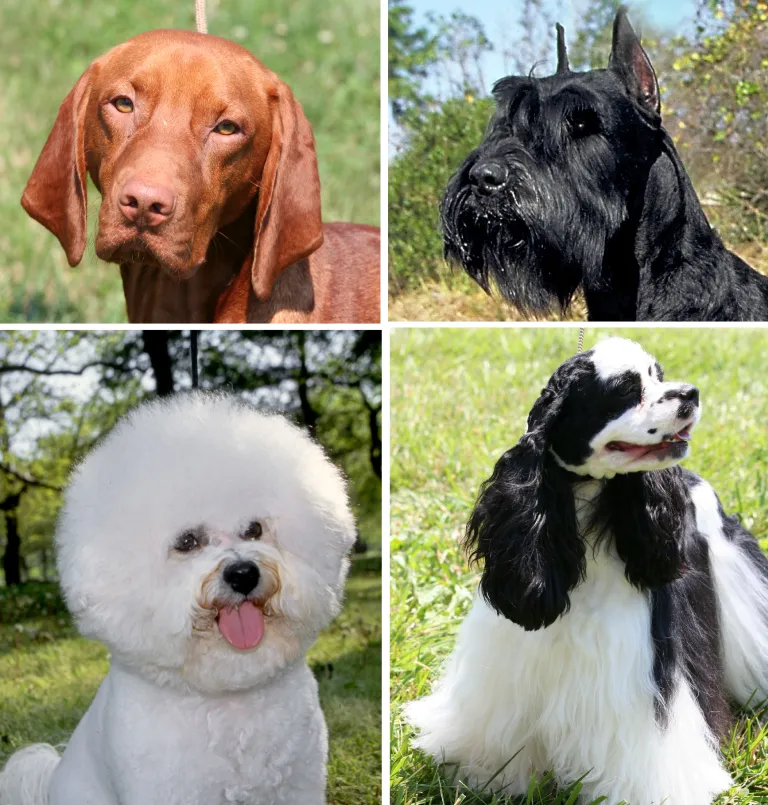
Most coats consist of guard hairs over a softer undercoat. Double-coated breeds such as Siberian Huskies, Corgis, Jindos and Pomeranians shed heavily, especially during the spring and autumn coat blow. Breeds with continuously growing hair, such as Poodles, Bichons and Maltese, drop far less hair but need professional grooming every few weeks. Low shedding does not mean allergy-free, because the proteins that trigger reactions are also found in dander and saliva.
A dog's normal body temperature is about 38 to 39.2°C. Sweat glands are found mainly on the paw pads, so dogs shed heat mostly by panting. In hot, humid weather that system struggles, which is why heatstroke is a real summer danger. Asphalt can exceed 50°C on a sunny day; if you cannot keep the back of your hand on it for about seven seconds, it is too hot for paws.
The pattern of ridges on a dog's nose leather is unique to each animal, much like a fingerprint, and nose-print identification is being developed as an alternative to microchips. A cold wet nose is popularly taken as a sign of health, but a dog that has just woken often has a warm, dry nose, so it is a poor diagnostic tool.
4.4. Telling males from females
In males the sheath sits on the belly a little behind the navel, and the testicles lie between the hind legs. They normally descend into the scrotum by about two months of age; if one or both are still missing by six months the dog is cryptorchid, and because retained testicles carry a higher cancer risk, removal is recommended.
Females have the vulva just below the anus. Adult males are usually larger with broader heads, though in many breeds the difference is modest. Males often cock a leg to urine-mark, while females typically squat, but plenty of dogs of both sexes break the rule.
5. Breeds
Knowing what a breed was originally developed to do explains far more about its temperament than its looks. Herding breeds want to chase and control movement, terriers dig and pursue small animals with great persistence, and scent hounds follow their noses regardless of what you are shouting. Popularity rankings below shift from year to year and between surveys, so treat them as broad trends.
5.1. Popular breeds in Korea
Surveys by Korea's agriculture ministry and registration data consistently put small breeds at the top, with mixed-breed dogs also near the top of most lists. Exact rankings vary by year and survey, but the breeds below appear again and again.
| Breed | Origin | Adult weight | Temperament | Health watch-points |
|---|---|---|---|---|
| Maltese | Malta, Mediterranean | 2–4 kg | Affectionate, clingy, can be vocal | Luxating patella, mitral valve disease, tear staining |
| Poodle (toy/miniature) | Germany/France | 2–8 kg | Very bright, easy to train, low shedding | Luxating patella, progressive retinal atrophy, ear infections |
| Pomeranian | Pomerania (Germany/Poland) | 1.5–3.5 kg | Lively, alert, quick to bark | Collapsing trachea, luxating patella, alopecia X |
| Bichon Frise | France/Mediterranean | 4–7 kg | Cheerful, sociable, curly white coat | Skin allergies, cataracts, bladder stones |
| Shih Tzu | China/Tibet | 4–7 kg | Easy-going and gentle | Eye problems, brachycephalic airway issues, skin disease |
| Chihuahua | Mexico | 1.5–3 kg | Bonds intensely with one person, wary of strangers | Hydrocephalus, low blood sugar, dental disease |
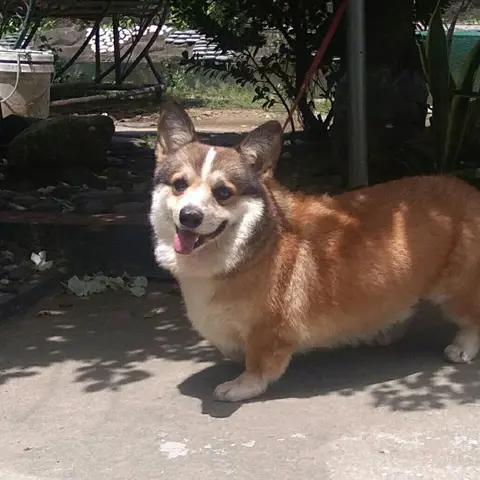
| Pembroke Welsh Corgi | Wales | 10–14 kg | Busy, clever herder, heavy shedder | Intervertebral disc disease, obesity, degenerative myelopathy |
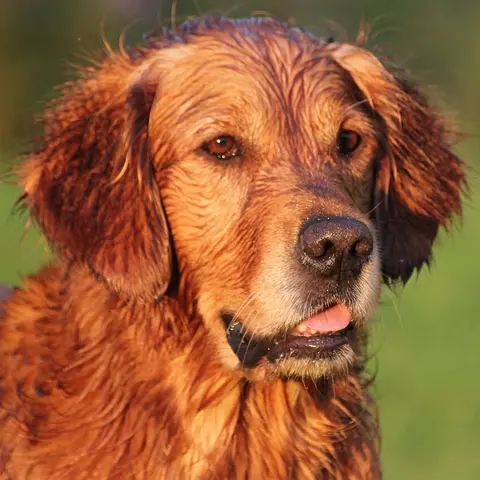
| Golden Retriever | Scotland | 25–34 kg | Gentle and people-loving | Hip dysplasia, cancers, skin disease |
| Jindo | Jindo Island, Korea | 15–23 kg | Fiercely loyal, independent, wary of strangers | Hypothyroidism, skin disease |
| Yorkshire Terrier | England | 2–3 kg | Small but bold and busy | Collapsing trachea, liver shunt, dental disease |
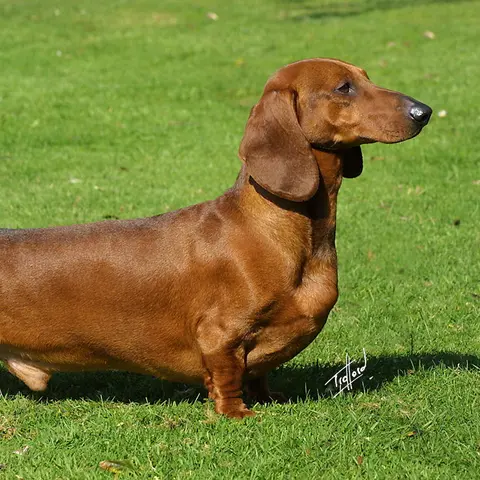
| Dachshund | Germany | 4–12 kg | Curious and stubborn | Disc herniation, obesity |
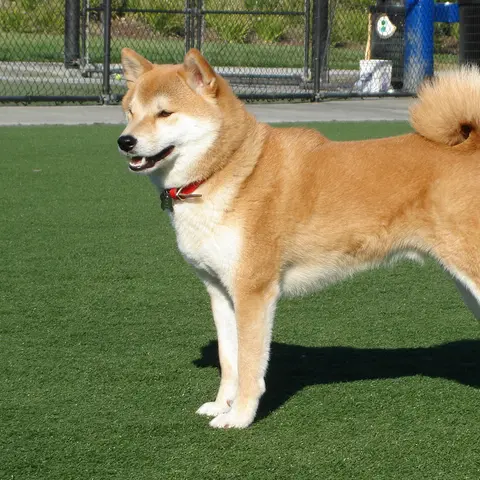
| Shiba Inu | Japan | 8–11 kg | Clean, independent, strong-willed | Allergic skin disease, glaucoma |
Small dogs dominate in Korea because most people live in apartments and multi-unit buildings, where a compact dog is easier to walk, carry and transport. The trade-off is that toy breeds are especially prone to kneecap and dental problems and are easily injured by falls.
5.2. Popular breeds worldwide
In American Kennel Club registrations the French Bulldog took first place in 2022, ending a Labrador Retriever run of more than thirty years at the top. In the UK Kennel Club figures the French Bulldog and Labrador have traded the leading spots in recent years. These lists count pedigree registrations, so they do not perfectly mirror the dogs people actually own.
| Breed | Origin | Adult weight | Original job | Notes |
|---|---|---|---|---|
| Labrador Retriever | Newfoundland/Britain | 25–36 kg | Retrieving waterfowl | Exceptionally friendly, food-obsessed and prone to obesity, widely used as guide dogs |
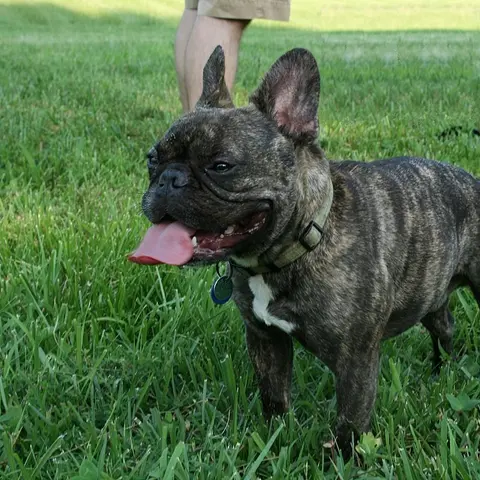
| French Bulldog | France | 8–14 kg | Companion | Quiet and affectionate, but brachycephalic and heat-intolerant |
| Golden Retriever | Scotland | 25–34 kg | Retrieving game | The classic family dog, heavy shedder |
| German Shepherd | Germany | 22–40 kg | Herding, police and military work | Loyal, highly trainable, hip and spine issues |
| Poodle (incl. Standard) | Germany/France | 2–32 kg | Water retrieving | Three sizes, highly intelligent, low shedding |
| Dachshund | Germany | 4–12 kg | Badger hunting | Long back, disc disease risk |
| Beagle | England | 9–14 kg | Hunting hare in packs | Nose-led, vocal, an accomplished escape artist |
| Rottweiler | Germany | 35–60 kg | Driving cattle, guarding | Powerful and protective, classed as a dangerous breed in Korea |
| English Bulldog | England | 18–25 kg | Once bull-baiting, now companion | Sweet-natured, many breathing, skin and birthing problems |
| German Shorthaired Pointer | Germany | 20–32 kg | Versatile gundog | Needs a great deal of exercise |
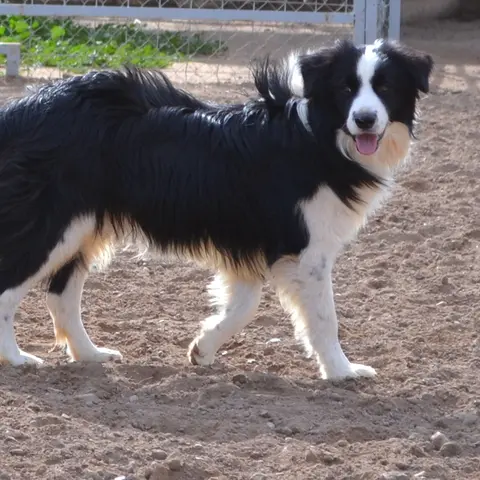
| Border Collie | Anglo-Scottish border | 14–20 kg | Herding sheep | Often ranked the smartest breed, invents mischief without a job |
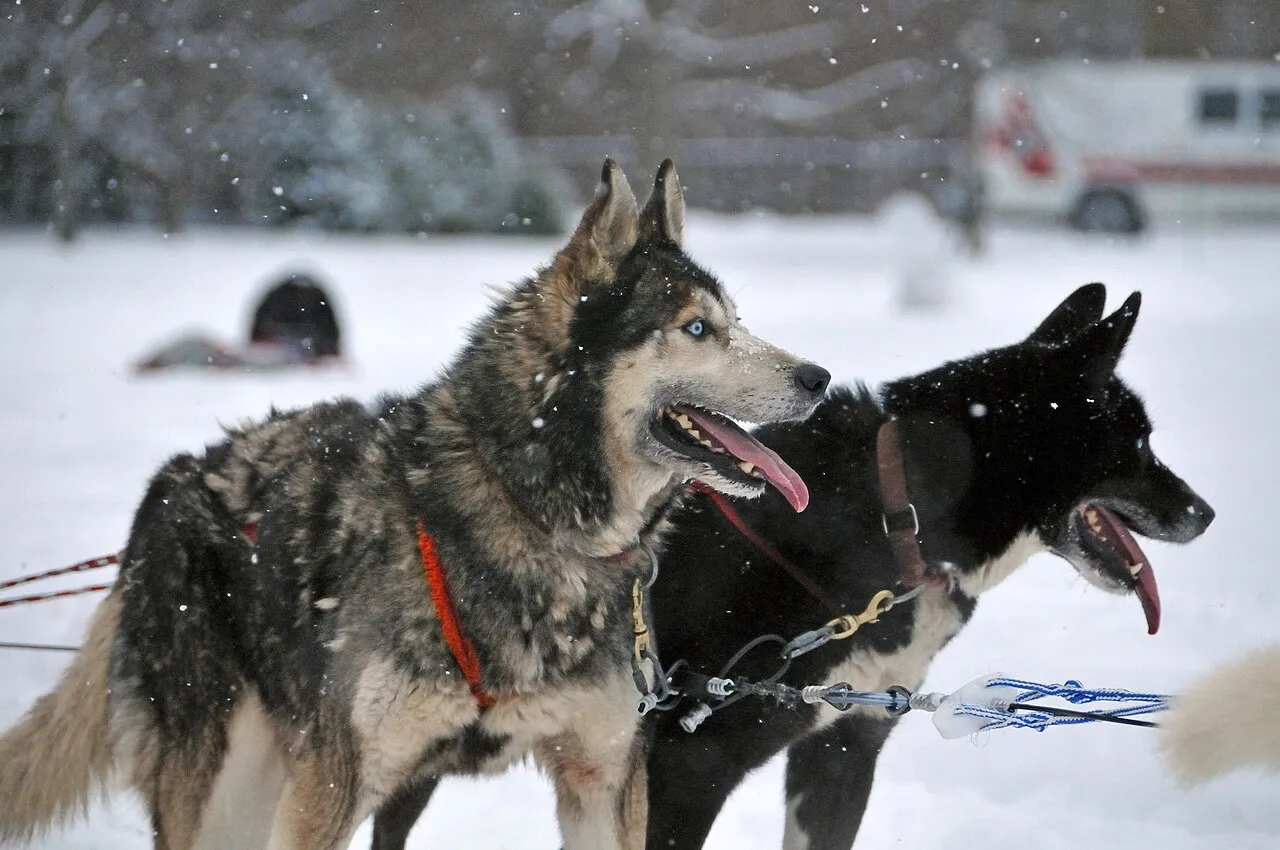
| Siberian Husky | Siberia | 16–27 kg | Sled pulling | Thrives in cold, suffers in heat, howls and escapes |
A top ranking only means many people chose that breed, not that it suits everyone. High demand also attracts careless breeding, so ask to see health-test results for both parents of any puppy from a popular breed.
5.3. Korean native breeds
Korea protects several native breeds as natural monuments. The numbering system for heritage designations was de-emphasised in 2021, but the original numbers are listed here for reference.
| Breed | Status | Notes |
|---|---|---|
| Jindo | Natural Monument No. 53 (1962) | From Jindo Island; fawn and white are classic, with black, grey, brindle and black-and-tan also seen. Famous homing instinct and loyalty |
| Sapsal (Sapsaree) | Natural Monument No. 368 (1992) | Restored around Gyeongsan; long shaggy coat covering the eyes. The name is popularly said to mean a dog that drives away evil spirits |
| Donggyeong dog of Gyeongju | Natural Monument No. 540 (2012) | Naturally very short or absent tail; appears in Silla-era clay figurines |
| Pungsan | Natural monument in North Korea | From the Pungsan highlands; white coat, sturdy build, very cold-hardy |
The Jindo has its own breed registries and pedigree programmes. Its independence and suspicion of strangers make it a challenging first dog for an apartment dweller, despite its fame. Restoration efforts also continue for other regional types such as the Jeju dog.
5.4. Breed groups
The FCI sorts breeds into ten groups based on function and ancestry, which is handy for guessing the temperament of a breed you have never met.
| Group | Covers | Examples |
|---|---|---|
| 1 | Sheepdogs and cattle dogs (except Swiss cattle dogs) | Border Collie, German Shepherd, Corgi |
| 2 | Pinschers, Schnauzers, Molossoid and Swiss mountain dogs | Miniature Schnauzer, Rottweiler, Bernese Mountain Dog |
| 3 | Terriers | Yorkshire Terrier, Jack Russell Terrier, Bull Terrier |
| 4 | Dachshunds | Dachshunds of all sizes and coats |
| 5 | Spitz and primitive types | Jindo, Shiba Inu, Siberian Husky, Pomeranian |
| 6 | Scent hounds | Beagle, Basset Hound, Bloodhound |
| 7 | Pointing dogs | German Shorthaired Pointer, Irish Setter |
| 8 | Retrievers, flushing dogs and water dogs | Labrador, Golden Retriever, Cocker Spaniel |
| 9 | Companion and toy dogs | Maltese, Shih Tzu, Chihuahua, Poodle, French Bulldog |
| 10 | Sighthounds | Greyhound, Whippet, Afghan Hound |
Mixed-breed dogs combine traits unpredictably, and their wider gene pool can lower the risk of some inherited diseases. The popular claim that mixes are always healthier is an oversimplification, though: a condition common in both parent breeds can still be passed on. Designer crosses such as the Labradoodle or Maltipoo are mixes too, often sold at pedigree prices without pedigree health screening.
6. Behaviour
കാക്കര · CC BY-SA 3.0
6.1. A social animal
Dogs are social and generally prefer company to solitude. The once-popular alpha or dominance theory, which held that dogs constantly try to outrank their owners, was built largely on studies of unrelated captive wolves thrown together in enclosures. Wild wolf packs are mostly families of parents and their offspring, and modern behaviour science has moved away from explaining every problem as a status struggle. Reward-based training, which reinforces the behaviour you want, is now the mainstream recommendation over physical correction.
An adult dog spends roughly 12 to 14 hours a day sleeping or resting, and puppies and seniors spend more. Waking hours are for sniffing, chewing, digging, chasing and carrying things. If walks and play do not meet those drives, the dog will find its own outlets indoors.
Dogs are keen observers of human routine. Many learn the sound of particular shoes or keys and start fretting before their owner has reached the door, a reminder of how closely they track the people they live with.
6.2. Reading body language
Dogs talk with the whole body. Reading the tail alone leads to mistakes, so look at the ears, eyes, mouth and posture together.
| Signal | Usual meaning | Check also |
|---|---|---|
| Low, wide wag that moves the hips | Happy, friendly | Loose body, relaxed open mouth |
| High tail with fast, stiff, short wags | Arousal or alertness | A rigid body suggests tension, not friendliness |
| Tail tucked between the legs | Fear or anxiety | Ears pinned back, body lowered |
| Front end down, rear up (play bow) | Invitation to play | Usually followed by bouncing or chasing |
| Yawning, lip licking, turning the head away | Calming signals to ease stress | Repeated when not tired means the dog is uncomfortable |
| Whites of the eyes showing (whale eye) | Strong discomfort | With a stiff body, a bite may be close |
| Freezing and staring straight ahead | Warning | May come with a low growl |
| Rolling onto the back | Relaxation or appeasement | Is the body loose or tense? |
| Raised hackles | High arousal, from excitement or fear | Not automatically aggression; read the context |
A growl is valuable information: it means back off. Punishing growling can teach a dog to skip the warning and bite without notice, so find the cause and give the dog space instead.
6.3. Common behaviour problems
Most behaviour problems are normal canine behaviour that clashes with human life. Understanding the cause points to the fix.
- Barking: triggered by alerting, demanding, boredom or separation distress. For doorbell barking, pair quiet recordings of the bell with treats and raise the volume gradually.
- Separation anxiety: howling, house soiling, door scratching or destruction when left. Build up from very short absences, keep departures and arrivals low-key, and in severe cases work with a veterinary behaviourist, sometimes alongside medication.
- Destructive chewing: expected during teething between about four and seven months. Provide plenty of legal chews and put cables and shoes away.
- Mouthing: puppies learn bite inhibition by play-biting littermates. When teeth touch skin, pause play briefly so the puppy learns that biting ends the fun.
- House-training lapses: reward success at the right spot immediately, never punish accidents, and clean with an enzyme cleaner so no scent lingers.
- Pulling on the lead: stop when the lead goes tight and move again when it slackens, consistently, every walk.
- Resource guarding: rather than snatching a bowl or toy from a growling dog, practise trading it for something better.
A sudden change in behaviour, especially new aggression, can signal pain or illness, so a vet check is the first step.
7. Life stages
Growth and lifespan depend heavily on size. Small dogs are close to full grown at nine to twelve months, while giant breeds keep developing until 18 to 24 months. Ageing runs the other way: toy and small dogs commonly reach 15 or more, whereas giant breeds often live eight to ten years.
| Stage | Age | What happens |
|---|---|---|
| Neonatal | birth to 2 weeks | Eyes and ears sealed, needs the mother's licking to urinate and defecate, mostly sleeps and feeds |
| Transitional | 2–3 weeks | Eyes open around day 10–14, ears open, first wobbly steps, milk teeth start |
| Socialisation | 3–12 weeks (up to about 14) | The key window for accepting people, sounds and places; experiences now shape lifelong temperament |
| Juvenile | 3–6 months | Core vaccinations finished, teething begins, ideal time for house-training and basic cues |
| Adolescence | 6 months to 2 years | Sexual maturity, first heat in females, selective hearing, peak energy |
| Adult | 2 years to senior | Settled temperament and body; steady exercise and weight control matter most |
| Senior | from about 10 (small), 7 (large), 5–6 (giant) | Less activity, changes in joints, heart, kidneys and cognition; check-ups every six months |
The old rule that one dog year equals seven human years is a crude shortcut. A dog's first year is closer to 15 human years, and after that each year adds roughly four to seven human years depending on size.
7.1. Lifespan
Most dogs live 10 to 16 years, and better nutrition, preventive care and indoor living have lengthened lives over recent decades. A well-known long-term study of Labradors found that dogs kept lean lived nearly two years longer on average than their littermates fed more freely.
The longest-lived dog generally accepted in the record books is Bluey, an Australian Cattle Dog born in 1910 who lived 29 years and 5 months. A more recent claimant was stripped of the title after questions about the evidence, so treat any new record with caution until it is verified.
7.2. Signs of ageing
Ageing creeps in so gradually that the people who see a dog every day are often the last to notice. Rather than writing these changes off as old age, book a check-up when you see them:
- Grey hair around the muzzle and eyes
- A bluish haze in the eyes (nuclear sclerosis is normal ageing; cataracts impair sight)
- Hesitating at stairs or stiffness on rising, suggesting arthritis
- Drinking and urinating more, which can point to kidney disease, diabetes or Cushing's disease
- Coughing, tiring quickly or fast breathing at rest, possible signs of heart disease
- Night-time pacing or barking, getting stuck in corners, less enthusiasm for greeting you, suggesting cognitive dysfunction
- Worsening bad breath or reluctance to chew kibble, often dental disease
- New lumps or bumps anywhere on the body
Non-slip rugs, ramps or low beds, joint supplements and an easily digested senior diet all make life easier. Several shorter walks usually maintain muscle better than cutting walks out.
8. Housing
8.1. Space at home
Most companion dogs now live indoors. A dog needs a stable resting place of its own and plenty of time outside far more than it needs a big house. A bed or crate in a quiet corner away from foot traffic becomes a den the dog chooses to use. Introduce a crate slowly with treats and meals so it feels like a safe retreat, never a punishment; a crate-trained dog copes far better with vet visits, hospital stays and emergency evacuations.
Laminate and tile floors are slippery and strain knees and hips, especially in small dogs. Lay non-slip runners along the routes your dog uses most and keep the fur between the paw pads trimmed. Jumping off sofas and beds is a big impact for a toy breed, so pet steps or a ramp are worthwhile.
Dogs kept outdoors need a weatherproof kennel off the ground, shade in summer and protection from wind in winter. Spending life on a short chain severely restricts a dog and is linked to frustration and aggression, so it is not recommended.
8.2. Temperature and seasons
Most dogs are comfortable indoors at 18 to 24°C with 40 to 60 percent humidity, but tolerance varies widely by breed.
| Situation | At-risk dogs | What to do |
|---|---|---|
| Hot summer days (30°C plus) | Brachycephalic breeds, double-coated breeds, overweight and senior dogs | No midday walks, walk early or late, keep air conditioning on, never leave a dog in a parked car |
| Freezing winter | Short-coated breeds such as Chihuahuas and Italian Greyhounds, toy breeds, seniors | Use a coat, shorten walks, wash off road salt |
| Rainy season | Breeds with hanging ears or deep skin folds | Dry ears and folds thoroughly to prevent ear and skin infections |
| Spring and autumn | Double-coated breeds | Daily brushing during the moult, tick prevention |
A parked car can pass 40°C within half an hour even when the outside temperature is only around 25°C, and leaving a window cracked does not prevent it. De-icing salt irritates paw pads, so rinse feet with lukewarm water after winter walks.
8.3. Essential supplies
Things worth having ready before a new dog comes home:
- A bed or crate big enough for the adult dog to stand up and turn around
- Food and water bowls, ideally stainless steel or ceramic
- The food the puppy is already eating, to be changed gradually later
- A collar or harness, a lead of sensible length and an ID tag with your phone number
- Puppy pads or a litter tray for indoor training, plus enzyme cleaner
- A carrier or travel crate for vet trips and public transport
- A brush and comb suited to the coat, nail clippers and dog shampoo
- A dog toothbrush and dog toothpaste (human toothpaste can contain xylitol and fluoride)
- Chew toys, a snuffle mat and a ball or tug toy
- Baby gates to keep the dog out of the kitchen or away from the front door
- Poop bags for every walk
Avoid toys small enough to swallow or that shatter easily; small balls are a known choking hazard for large dogs.
9. Diet
9.1. Main diet
Dogs are carnivorans by classification, but thousands of years of sharing human food made them functional omnivores able to digest meat, grains and vegetables. The safest staple is a commercial food labelled complete and balanced. Look for a statement that it meets AAFCO (US) or FEDIAF (Europe) nutrient profiles, and choose the life stage that fits: puppy, adult, senior or large-breed puppy, which controls calcium and calories to protect growing joints.
Options include kibble, canned food, freeze-dried, lightly cooked fresh food and raw diets. Kibble is convenient and economical; wet food adds moisture and palatability. Raw feeding carries a real risk of Salmonella and Listeria for both dog and household, so hygiene is critical, and home-cooked diets are very often short of calcium and trace nutrients unless formulated by a veterinary nutritionist.
Grain-free diets boomed in the 2010s. The US Food and Drug Administration investigated reports of dilated cardiomyopathy in dogs eating some grain-free, legume-heavy foods; the picture is not fully settled, but unless your dog has a diagnosed grain allergy there is no reason to avoid grains.
9.2. How much and how often
Start from the feeding guide on the bag and adjust by body shape. At a healthy weight you can easily feel the ribs under a thin layer of fat, see a waist from above and a tuck-up from the side. Vets typically use a nine-point body condition score, with four to five as ideal.
The figures below are rough daily calorie needs for a neutered indoor adult. Activity, age and breed can shift them by 20 to 30 percent or more.
| Body weight | Approximate daily calories |
|---|---|
| 2 kg | about 180–200 kcal |
| 5 kg | about 350–380 kcal |
| 10 kg | about 600–650 kcal |
| 20 kg | about 1,000–1,100 kcal |
| 30 kg | about 1,350–1,450 kcal |
| Age | Meals per day |
|---|---|
| 2–3 months | 4 |
| 3–6 months | 3 |
| Over 6 months | 2 (toy breeds may do better on 3) |
Toy-breed puppies can become hypoglycaemic, trembling or collapsing, if they skip meals, so feed them on a strict schedule. In large, deep-chested breeds, gulping a big meal and then racing around raises the risk of gastric dilatation-volvulus, so avoid vigorous exercise for about an hour before and after eating.
9.3. Treats and water
Treats should stay below about 10 percent of daily calories. For training, use pieces of the dog's own kibble or tiny bits of treat so you can reward often without overfeeding. Plain cooked chicken, small amounts of cooked sweet potato or pumpkin, apple slices without seeds, blueberries and cucumber are all reasonable human-food rewards.
Be careful with chews. Cooked bones splinter, and very hard items such as antlers or real bones can fracture teeth. A common rule of thumb is that a safe chew should give slightly when you press a thumbnail into it.
A typical dog drinks about 50 to 60 ml of water per kilogram of body weight per day. Consistently drinking more than about 100 ml per kilogram is excessive thirst and worth discussing with a vet.
9.4. Foods to avoid
The following can poison or seriously harm dogs. Call a vet promptly even if the amount seems small.
| Food | Toxic agent or reason | Main signs |
|---|---|---|
| Chocolate and cocoa | Theobromine and caffeine | Vomiting, agitation, tremors, abnormal heart rhythm, seizures; darker chocolate is worse |
| Grapes and raisins | Tartaric acid is the leading suspect | Vomiting, lethargy, acute kidney failure |
| Onion, garlic, leeks, chives | Organosulphur compounds | Anaemia from damaged red blood cells, dark urine, even when cooked |
| Xylitol | Triggers a surge of insulin | Low blood sugar, liver failure; found in gum, sugar-free sweets, some peanut butter |
| Macadamia nuts | Unknown mechanism | Hind-leg weakness, tremors, fever |
| Alcohol | Ethanol | Vomiting, wobbliness, depressed breathing |
| Coffee and energy drinks | Caffeine | Hyperactivity, racing heart, tremors |
| Cooked bones | Sharp splinters | Gut perforation or blockage |
| Avocado | Fat content, large stone | Digestive upset, stone can block the intestine |
| Fatty scraps such as pork belly or chicken skin | High fat load | Acute pancreatitis |
| Raw yeast dough | Ferments in the stomach | Bloating, signs of alcohol poisoning |
Human painkillers (ibuprofen, naproxen, paracetamol), cold medicines, nicotine from cigarette butts, rodent bait and antifreeze are also common causes of poisoning.
10. Health
This section is general information and cannot replace a veterinary examination. If something seems wrong, see a vet.
10.1. Vaccines and parasite control
Schedules differ between clinics and regions, but a typical framework looks like this:
| Vaccine | Protects against | Typical schedule |
|---|---|---|
| Core combination (DHPP, often with leptospirosis) | Distemper, infectious hepatitis, parvovirus, parainfluenza, leptospirosis | Starts at 6–8 weeks, repeated every 2–4 weeks until about 16 weeks, booster at one year, then every one to three years depending on product |
| Rabies | Rabies | From about 12 weeks, then boosters as local law and product require |
| Bordetella (kennel cough) | Infectious tracheobronchitis | Before boarding, daycare or classes, then yearly |
| Canine influenza | Dog flu | Optional, two initial doses |
| Canine coronavirus | Coronavirus enteritis | Used in some countries, including Korea; not core in many guidelines |
Titre testing, which measures existing immunity, can avoid unnecessary boosters for some core vaccines. Skip baths and strenuous exercise on vaccine day, and seek help immediately if you see facial swelling, vomiting or breathing difficulty, which can signal an allergic reaction.
Heartworm is spread by mosquitoes; worms grow in the heart and pulmonary arteries, and treatment is difficult and risky. Where mosquitoes are active, monthly prevention is standard, and in Korea many vets recommend it year-round. Ticks can carry babesiosis, Lyme disease and, in East Asia, severe fever with thrombocytopenia syndrome (SFTS), so tick control matters for dogs that walk through long grass.
10.2. Common conditions
| Condition | Cause and breeds at risk | Main signs | Prevention and care |
|---|---|---|---|
| Luxating patella | Inherited conformation, slippery floors, obesity; Maltese, Poodles, Pomeranians | Skipping on a hind leg, intermittent lameness | Non-slip floors, lean weight, surgery depending on grade (1 to 4) |
| Periodontal disease | Plaque and bacteria; most small breeds | Bad breath, bleeding gums, loose teeth | Daily brushing, professional cleaning under anaesthesia |
| Otitis externa | Bacteria, yeast, allergies; floppy-eared breeds | Head shaking, scratching, odour, discharge | Ear cleaning, keeping ears dry, treating the underlying allergy |
| Atopic dermatitis | Environmental allergies; Shiba Inu, French Bulldog, retrievers and others | Paw licking, itchy armpits and belly, red skin | Prescription itch control, skin-barrier care |
| Myxomatous mitral valve disease | Degeneration of a heart valve; Maltese, Cavalier King Charles Spaniel, Chihuahua | Heart murmur, cough, faster breathing, exercise intolerance | Regular listening and heart ultrasound, staged medication |
| Hip dysplasia | Inheritance, rapid growth; large breeds | Swaying gait, difficulty rising | Screened parents, controlled growth in puppyhood |
| Intervertebral disc disease | Abnormal disc cartilage; Dachshund, Corgi, Shih Tzu, French Bulldog | Hunched back, pain, hind-leg weakness or paralysis | Limit jumping and stairs, lean weight, emergency surgery for paralysis |
| Gastric dilatation-volvulus | Stomach bloats and twists; deep-chested breeds such as Great Danes and German Shepherds | Unproductive retching, swollen belly, drooling, collapse | Smaller meals, rest after eating, immediate emergency care |
| Parvovirus enteritis | Virus; puppies not fully vaccinated | Severe vomiting, bloody diarrhoea, dehydration | Vaccination, caution around unknown dogs before the course is complete |
| Brachycephalic obstructive airway syndrome | Short-muzzled anatomy; Pugs, Bulldogs, Shih Tzus | Snoring, laboured breathing, collapse in heat | Lean weight, avoiding heat, corrective surgery |
| Cushing's disease | Excess cortisol; middle-aged small breeds | Drinking and urinating more, big appetite, pot belly, thinning coat | Diagnosis by blood tests, medication |
| Diabetes mellitus | Insulin deficiency; middle age, obesity | Thirst, weight loss, cataracts | Insulin injections, diet control |
| Hypothyroidism | Low thyroid hormone; medium and large breeds | Weight gain, lethargy, symmetrical hair loss | Daily hormone supplement |
Obesity alone is linked to arthritis, diabetes, breathing problems and shorter lives, and surveys in many countries find a large share of pet dogs overweight.
10.3. When to see a vet urgently
Go straight to your vet or an emergency clinic if you see any of these:
- Struggling to breathe, or blue, grey or very pale gums and tongue
- Repeated retching with nothing coming up and a swelling belly, especially in large dogs
- A seizure lasting more than five minutes, or several in a row
- Eating something toxic such as chocolate, grapes, xylitol or medication
- Repeated vomiting, or vomit or diarrhoea containing blood
- Straining to urinate with nothing coming out
- Sudden inability to use the hind legs
- Being hit by a car, falling from a height or being bitten by another dog
- Suspected heatstroke: heavy panting, drooling, staggering, dullness
- During birth, straining for 30 to 60 minutes without producing a puppy
For heatstroke, wet the dog with cool, not ice-cold, water and keep air moving over it on the way to the clinic. Ice baths constrict surface blood vessels and can slow cooling.
11. Breeding
Females usually have their first heat between six and twelve months, later in large breeds, and then cycle roughly every six to seven months. Each heat lasts about two to three weeks: a swollen vulva and bloody discharge (proestrus) come first, followed by oestrus, when the female accepts a male. The fertile window varies so much between individuals that planned breedings often use blood progesterone tests to time ovulation.
Pregnancy averages 63 days, with a normal range of about 58 to 68. Litter size runs from one to four in toy breeds to six to ten or more in large breeds. As whelping approaches, body temperature drops by about 1°C, appetite falls and nesting begins. Breeds with large heads and narrow pelvises, such as Bulldogs, very often need caesarean sections.
Breeding at home carries far more responsibility than most people expect. Both parents should be health-screened for the conditions relevant to their breed, such as hips, elbows, eyes, heart and DNA tests, and you must be ready for emergencies like obstructed labour or eclampsia, a dangerous drop in blood calcium after birth. Puppies should stay with their mother and littermates until at least eight weeks, and Korean law bans selling dogs younger than two months. Above all, be sure every puppy can go to a home that will keep it for life.
If you do not plan to breed, discuss neutering. Spaying prevents pyometra, a life-threatening womb infection, and greatly reduces mammary cancer risk; castration eliminates testicular cancer and reduces prostate problems and some marking. Some studies link very early neutering in certain large breeds to higher rates of joint disorders or particular cancers, so timing is best decided with your vet for the individual dog.
12. Costs
These are approximate South Korean figures in won; actual costs vary widely by region, clinic, breed and weight. For large dogs, food, medication and surgery costs rise roughly in proportion to body weight. In other countries the pattern is similar, though vet fees in North America, the UK and Australia are often considerably higher.
| Item | Approximate cost (small dog) | Notes |
|---|---|---|
| Adoption or purchase | Free to a few hundred thousand won from shelters; hundreds of thousands to several million from shops or breeders | Depends on breed and pedigree |
| Starter supplies | 200,000–500,000 won | Crate, carrier, bowls, lead, toys, hygiene items |
| Puppy vaccinations | 300,000–500,000 won | Core combination, coronavirus, kennel cough, rabies |
| Registration with microchip | Around 10,000–40,000 won | Cheaper where councils subsidise it |
| Neutering | Male 200,000–400,000 won; female 300,000–600,000 won or more | Varies with pre-op tests and hospital stay |
| Food | 30,000–80,000 won a month | Large dogs often over 100,000 won |
| Treats, pads and consumables | 20,000–50,000 won a month | Depends on usage |
| Heartworm, flea and tick prevention | 10,000–30,000 won a month | Dose depends on weight |
| Grooming | 40,000–100,000 won per visit | Every 4–8 weeks for continuously growing coats |
| Pet insurance | 20,000–60,000 won a month | Depends on age and cover |
| Annual check-up | 100,000–400,000 won | More tests for seniors |
| Period | Rough total |
|---|---|
| First-year setup (excluding purchase price) | 600,000–1,500,000 won or more |
| Monthly basics | 100,000–250,000 won |
| Yearly upkeep | 1.2–3 million won |
| Kneecap surgery | Around 1–3 million won per leg |
| Emergency disc surgery | Several million won or more |
| Chronic illness in old age | An extra 100,000 won to several hundred thousand a month |
Over a lifetime a dog can cost tens of millions of won. Insurance or a dedicated monthly savings fund cushions the shock of surgery or an emergency.
13. Before you get one
Before bringing a dog home, answer these honestly:
- Can you commit for 15 years or more, through moves, relationships, children and job changes?
- Do you have the time and energy for one or two walks every day in any weather?
- How many hours will the dog be alone each day, and what is the plan if that is long?
- Does everyone in the household agree, and is anyone allergic?
- Does your lease or building allow dogs?
- Can you cover monthly costs plus a sudden vet bill in the thousands?
- Who will care for the dog when you travel?
Choose the source carefully. Municipal and private shelters have dogs of every age and type waiting for homes, and adopting an adult means you already know its size and personality. Breed-specific rescues are a good route if you have your heart set on a particular breed.
If you buy from a breeder, visit in person, meet the mother and see where the puppies are raised. Ask for health-test certificates for both parents, not just a vet check of the puppy. Walk away from sellers who offer many breeds at once, will not show you the mother, push you to decide quickly or offer to meet in a car park. A responsible breeder will ask you as many questions as you ask them and will take the dog back at any point in its life.
Once home, keep the first few days calm and visitor-free so the new dog can learn the household's rhythm before meeting the wider world.
14. Laws
Dog laws differ greatly from country to country and often between cities, so always check with your local council or national authority. Common themes include:
- Registration and microchipping: many countries, including the UK, much of the EU, Australia and South Korea, require dogs to be microchipped or registered, and owners must update their details when they move or the dog changes hands.
- Rabies vaccination: compulsory by law in many US states and numerous other jurisdictions.
- Leash and control rules: dogs often must be leashed in public spaces, with designated off-leash areas. Owners are usually legally responsible for picking up waste.
- Dangerous-dog legislation: some places ban or restrict specific breeds, such as the UK's Dangerous Dogs Act, while others assess individual dogs by behaviour. Restrictions can include muzzling, insurance, neutering or licensing.
- Welfare law: cruelty, neglect and abandonment are criminal offences in most countries, and some also set minimum standards for food, shelter and veterinary care.
- Sales and breeding: many jurisdictions ban the sale of very young puppies, license commercial breeders or, as in England with Lucy's Law, ban third-party puppy sales.
In South Korea, dogs aged two months or older kept in homes must be registered with a microchip or external tag, walking leads must be no longer than 2 m, and five breed types and their crosses are legally classed as dangerous dogs, whose owners need insurance, training and, since 2024, a permit. A 2024 special act also phases out dog meat farming and sales.
Travelling abroad with a dog usually requires a microchip, rabies vaccination, sometimes a rabies antibody blood test followed by a waiting period, and an official health certificate. Start planning several months ahead and confirm requirements with the destination country's official veterinary authority.
15. Dogs in culture
15.1. Film, TV and animation
Dogs are among the most frequent animal stars in popular culture. The Lassie films and TV series turned the Rough Collie into the image of the brave, clever family dog. After Disney's 101 Dalmatians, demand for Dalmatians soared, followed by a wave of abandoned dogs once buyers discovered how energetic the breed is, a pattern that has repeated with other film breeds since.
The true story of Hachikō, an Akita who kept returning to Tokyo's Shibuya Station for nearly a decade after his owner died, inspired a bronze statue, a Japanese film and a Hollywood remake. A Dog of Flanders, a Victorian novel set in Belgium, became a beloved Japanese anime that many Koreans grew up watching, and Charles Schulz's Snoopy is probably the most recognisable cartoon dog in the world. Balto and Togo, the sled dogs of the 1925 serum run to Nome, Alaska, have been honoured with statues and films.
In Korea, the 2006 film Maeumi, about a boy and his Jindo, was a box-office success, and television programmes on dog behaviour have been hugely popular, helping spread the idea that dog problems usually begin with how owners teach and manage them.
15.2. Proverbs and symbols
Dogs appear in proverbs everywhere, and the tone varies by culture. English has let sleeping dogs lie, every dog has its day, you can't teach an old dog new tricks and the tail wagging the dog. Many Korean proverbs use the dog as the most ordinary animal imaginable: one says that even dog dung is impossible to find when you actually need it as medicine, and another says a dog living by a village schoolhouse for three years ends up reciting poetry, meaning you absorb whatever you are constantly exposed to.
In the East Asian zodiac the dog is the eleventh of the twelve animals, associated with loyalty and honesty. Korea has many legends of a righteous dog, the most famous from Osu in North Jeolla Province, where a dog is said to have soaked itself in a stream to put out a grass fire around its sleeping master and died in the effort; the place name is traditionally linked to the tale.
Elsewhere, Anubis, the jackal-headed Egyptian god, guided the dead; Cerberus guarded the Greek underworld; and in Christian iconography a dog often stands for fidelity.
16. Trivia
- The first animal to orbit Earth was Laika, a Moscow street dog launched aboard Sputnik 2 in 1957. She did not survive; in 1960 Belka and Strelka became the first dogs to orbit and return alive.
- Italian researchers found that dogs wag more to the right when they see something they like and more to the left when they see something unsettling, which they linked to the different roles of the brain's two hemispheres.
- One hypothesis suggests dogs sense how long you have been gone from the way your scent fades in the house, using it as a kind of clock.
- A Japanese study found that when dogs and their owners gaze into each other's eyes, oxytocin rises in both, echoing the bonding loop seen between human parents and infants.
- Most of the world's dogs are not pets at all but free-ranging village and street dogs, so the typical dog on Earth looks more like a lean, medium-sized pariah dog than a Labrador on a sofa.
- In 1993 a white Jindo called Baekgu, sold to a family in Daejeon, turned up seven months later at her original home on Jindo, nearly 300 km away, and became the subject of children's books.
- The Basenji is called the barkless dog, but it is not silent: its unusual larynx produces a yodel-like sound instead of a bark.
- Chow Chows and Shar-Peis have blue-black tongues.
- The Norwegian Lundehund has six toes on each foot and an extremely flexible neck and shoulders, traits linked to its old job of hunting puffins on sea cliffs.
- Dogs can be right- or left-pawed, and studies of paw preference suggest roughly similar numbers of each, with many dogs showing no strong preference.
- Dalmatian puppies are born pure white; their spots develop over the first few weeks.
Health notes are general information. If something seems wrong, contact a vet who treats this species.
🍽️ Can my dog or cat eat this? →
FAQ
How long can a dog be left alone?
Most adult dogs cope with four to six hours, but doing longer stretches every day tends to build stress, and puppies cannot hold their bladder that long. If you work full days, a midday dog walker or doggy daycare makes a real difference.
Do small dogs really need walks if they run around indoors?
Yes. Walks are about more than burning calories: sniffing, new sights and meeting other dogs and people keep small dogs mentally balanced. Toy breeds kept entirely indoors are often the ones that become yappy and anxious.
Is the most expensive dog food always the best?
Not necessarily. What matters is a complete and balanced food for your dog's life stage, size and health. Judge it by stool quality, coat condition and weight over a few weeks, and follow your vet's advice if your dog has allergies or a medical condition.
Further reading
- 🗳️ Are you a dog person or a cat person?
- 🗳️ Kibble or raw/home-cooked food: which is better for pets?
- 🗳️ How do you feel about dressing pets in clothes?
- 🗳️ Spay/neuter early, or wait until the pet is fully grown?
- 🍫 Foods That Are Dangerous for Dogs (and What to Do If Yours Eats One)
- 📋 Before You Get a Pet: An Honest Checklist
- 🏠 How to Adopt a Shelter or Rescue Animal
- 🐾 The First Week Home With a New Pet
Photo credits
Photos are freely licensed images from Wikimedia Commons. Authors and licenses are listed below.
- Black Labrador Retriever - Male IMG 3323 (cropped).jpg — Losch · CC BY-SA 3.0
- Huskiesatrest.jpg — M. Rehemtulla · CC BY 2.0
- Chin posing.jpg — Joliot · CC BY-SA 3.0
- Dog - നായ-6.JPG — കാക്കര · CC BY-SA 3.0
- Dog coat variation.png — Mary Bloom, American Kennel Club · CC0
- Dog morphological variation.png — Mary Bloom, American Kennel Club · CC0