TailVille
At a glance
Rough ranges for supplies, food and electricity in Korea (USD is approximate). Purchase or adoption fees are not included.
People who work during the day or prefer a calm indoor household but still want an affectionate companion.
Anyone with cat allergies, or who cannot tolerate fur on furniture and the occasional scratched surface.
1. Overview
The domestic cat (Felis catus) is a small carnivoran of the family Felidae and, alongside the dog, the most widespread companion animal on Earth. Of roughly forty species in the cat family, it is effectively the only one that lives and breeds in human homes generation after generation. Counting pets, strays and feral colonies, the world's cat population runs to several hundred million.
Cats changed less during domestication than most domestic animals. Their bodies remain those of a near-perfect small predator, and as descendants of a solitary hunter they care intensely about territory and routine. Yet living around people has given them a flexible social side: many cats form strong bonds with their humans and with other cats, follow their owners around and seek out contact on their own terms. The image of the aloof cat is only part of the truth.
In South Korea, cat ownership grew rapidly from the 2010s as single-person and dual-income households multiplied, and cat culture now has its own vocabulary, with owners calling themselves butlers. Around the world, cities are also wrestling with how to manage street cats humanely while protecting wildlife.
This article covers the cat's name and classification, the history of domestication, anatomy and senses, breeds and coat colours, behaviour and communication, life stages, housing, nutrition, health, breeding, costs, legal matters and the cat's long career in human culture.
2. Name and classification
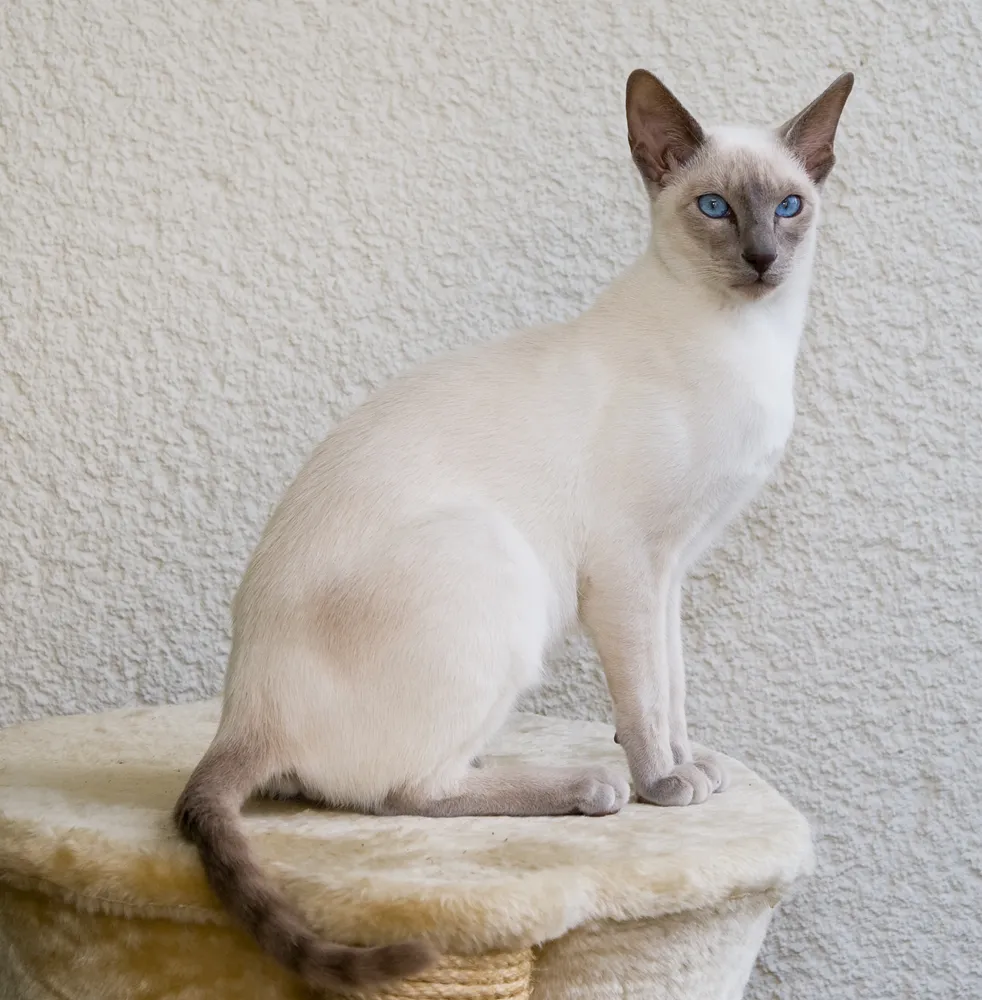
Karin Langner-Bahmann, upload von Martin Bahmann · CC BY-SA 3.0
2.1. Scientific name and taxonomy
The cat's scientific name is Felis catus. For a time it was treated as a subspecies of the wildcat and written Felis silvestris catus, but since the IUCN Cat Specialist Group's 2017 revision of cat taxonomy, Felis catus as a full species has become the more common usage. Both names refer to the same animal.
| Rank | Name |
|---|---|
| Kingdom | Animalia |
| Phylum | Chordata |
| Class | Mammalia |
| Order | Carnivora |
| Family | Felidae |
| Subfamily | Felinae |
| Genus | Felis |
| Species | Felis catus |
Genetic studies point to the African wildcat (Felis lybica) of North Africa and southwest Asia as the direct ancestor of domestic cats. The European wildcat (Felis silvestris) is a close relative, but the mitochondrial DNA of house cats overwhelmingly matches African wildcat lineages.
2.2. Etymology
The English word cat traces back through Old English catt to Late Latin cattus, which appears around the fourth century and may come from an Afro-Asiatic language, though the exact source is uncertain. Puss, used as a call name in English, has look-alikes in many European languages, possibly because it imitates the hissing or soft sounds people use to call cats.
In Korean the cat is goyangi, which is generally thought to have grown from an older word goe with a diminutive ending; dialect forms such as gwaeng-i survive. Koreans traditionally call a cat with nabiya, from nabi, a word that also means butterfly, though the reason for the link is debated. The Sino-Korean character myo (猫) appears in words such as banryeomyo, companion cat.
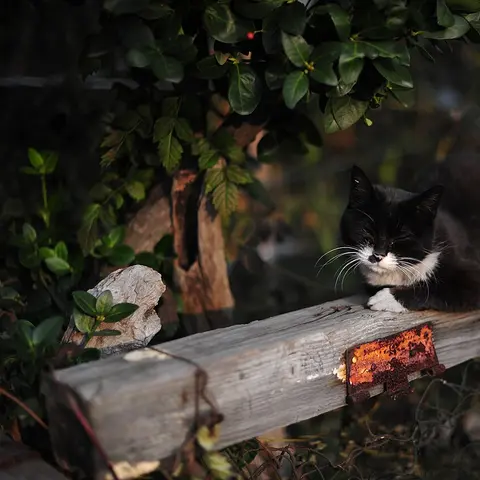
Korean owners also use colourful nicknames based on coat pattern: an orange tabby is a cheese cat, a brown mackerel tabby is a godeungeo, literally mackerel, and a black-and-white cat is a tuxedo.
2.3. Relatives in the cat family
The cat family splits into the Pantherinae, the big cats such as lions, tigers, leopards and jaguars, and the Felinae, which includes everything from pumas and cheetahs to lynxes, servals, ocelots and the domestic cat. A popular rule of thumb says big cats can roar but not purr continuously, while small cats purr but cannot roar, though the anatomy behind it is more nuanced.
Korea's main wild cat is the leopard cat (Prionailurus bengalensis), about the size of a house cat but with white stripes on the forehead, rounded ears and a thick tail. It is a protected endangered species in Korea and must never be captured or kept. The Bengal breed was created by crossing domestic cats with Asian leopard cats.
3. History
3.1. Domestication
Cat domestication is tied to the birth of farming in the Fertile Crescent of southwest Asia. Grain stores attracted mice and rats, the rodents attracted African wildcats, and people tolerated a predator that protected their harvest. Because the cats largely moved in on their own, they are a textbook case of self-domestication rather than deliberate taming.
One of the oldest pieces of evidence is a grave about 9,500 years old at Shillourokambos on Cyprus, where a person and a cat were buried close together. Cyprus had no native wildcats, so the animal must have been brought by boat. Cat bones from a roughly 5,000-year-old farming village in Shaanxi, China, turned out to belong to leopard cats, suggesting a separate East Asian experiment in living with small cats that did not survive into the modern era.
Unlike dogs, cats were barely shaped by selective breeding until the nineteenth century. For most of history the only trait people cared about was whether a cat kept the vermin down.
3.2. From Egypt to the modern age
Ancient Egypt is famous for its reverence of cats. Egyptians valued them as guardians of granaries and homes and worshipped Bastet, a goddess depicted with a cat's head. Temples such as Bubastis yielded hundreds of thousands of cat mummies, many apparently raised specifically as offerings. The Greek historian Herodotus wrote that when an Egyptian house caught fire, people worried more about the cats than the flames.
From Egypt and the Near East, cats spread along trade routes across the Mediterranean, Europe and Asia. Ship's cats kept rodents off vessels for thousands of years, sailing on Viking longships and the galleons of the age of exploration. In parts of medieval and early modern Europe cats, black ones especially, were linked with witchcraft and persecuted, while Islamic tradition generally regarded cats as clean animals and treated them kindly.
The modern pet cat took shape in Victorian Britain. A show at London's Crystal Palace in 1871 is usually cited as the first organised cat show, and breed standards followed. The invention of commercial clay cat litter in the United States in 1947 made fully indoor cat keeping practical, and indoor life spread rapidly in the decades after.
3.3. Cats in Korea
Nobody knows exactly when cats reached the Korean Peninsula. A popular story says they arrived with Buddhism to guard scriptures from mice, but firm evidence is lacking. Cats do appear steadily in Goryeo and Joseon writing and art. The late-Joseon painter Byeon Sang-byeok painted cats so realistically that he was nicknamed Byeon the Cat, and cats paired with butterflies were a favourite motif because their Chinese characters sound like words for advanced old age, making the image a wish for long life.
A well-known anecdote concerns King Sukjong, who doted on a cat called Geumson, meaning golden paw. Writers of the period recorded that after the king's death the cat refused food, cried until it died and was buried near the royal tomb.
Traditional attitudes were mixed, however. Cats were appreciated as mousers but also feared as uncanny or vengeful, and folk medicine that used cats as ingredients caused them real harm. Those attitudes shifted dramatically from the 2000s, when cat photos and videos became internet favourites and cat-owning households grew quickly through the 2010s. Organised trap-neuter-return programmes for street cats expanded across Korean cities in the same period.
4. Body
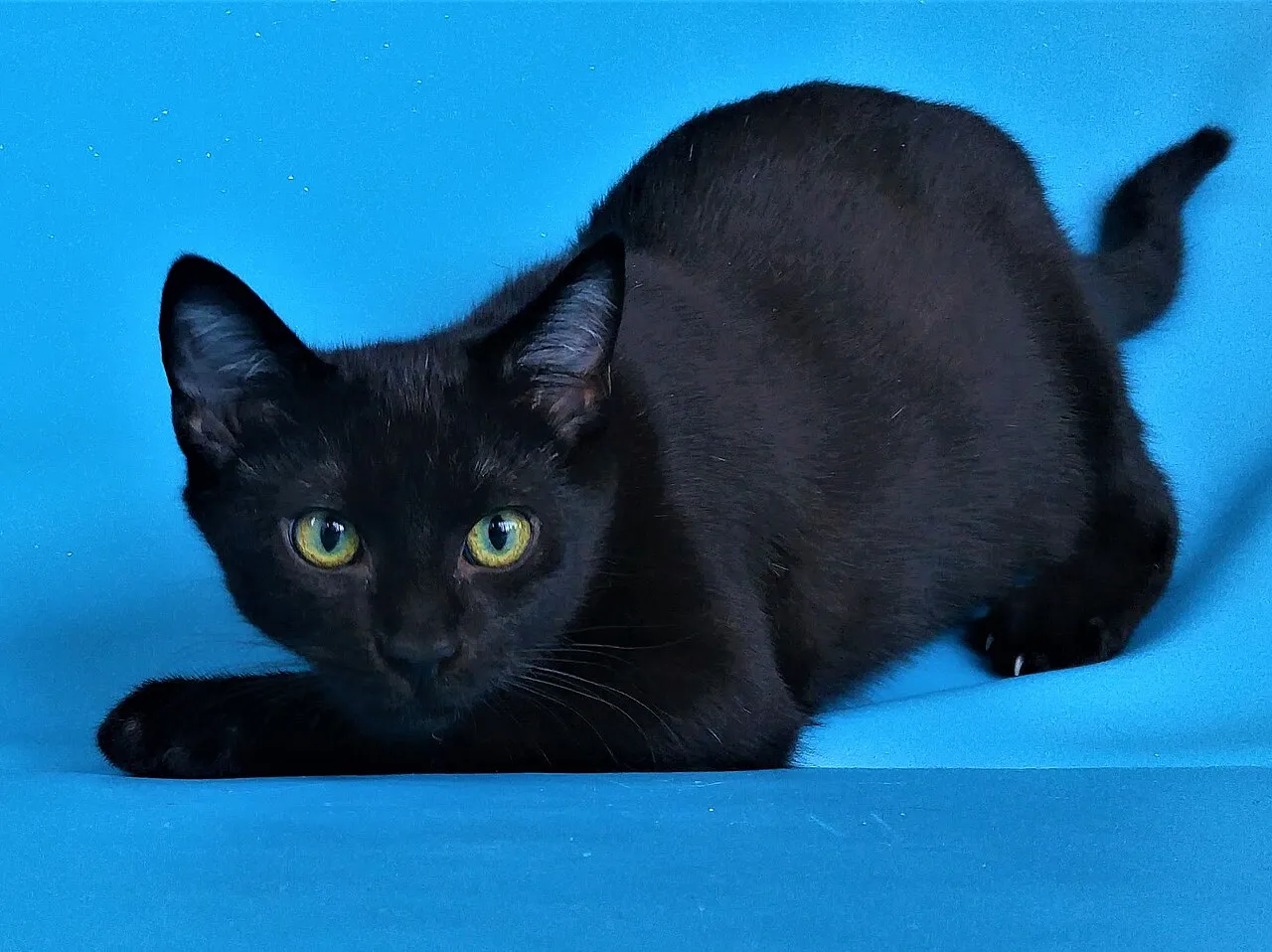
Jennifer C. · CC BY 2.0
4.1. Size and skeleton
Adult cats usually weigh 3 to 6 kg, with males slightly larger than females. Large breeds such as the Maine Coon and Norwegian Forest Cat can exceed 8 kg, while the Singapura may weigh only 2 to 3 kg. Size varies far less between cat breeds than between dog breeds; the biggest cats are only a few times heavier than the smallest.
A cat has roughly 230 to 250 bones, more than a human. Loosely connected vertebrae let it twist and stretch dramatically, and its tiny, free-floating collarbones mean that it can often squeeze through any gap its head fits through. That flexibility powers the righting reflex, the mid-air twist that lets a falling cat land on its feet; it appears at about three to four weeks of age and is fully developed by about seven weeks.
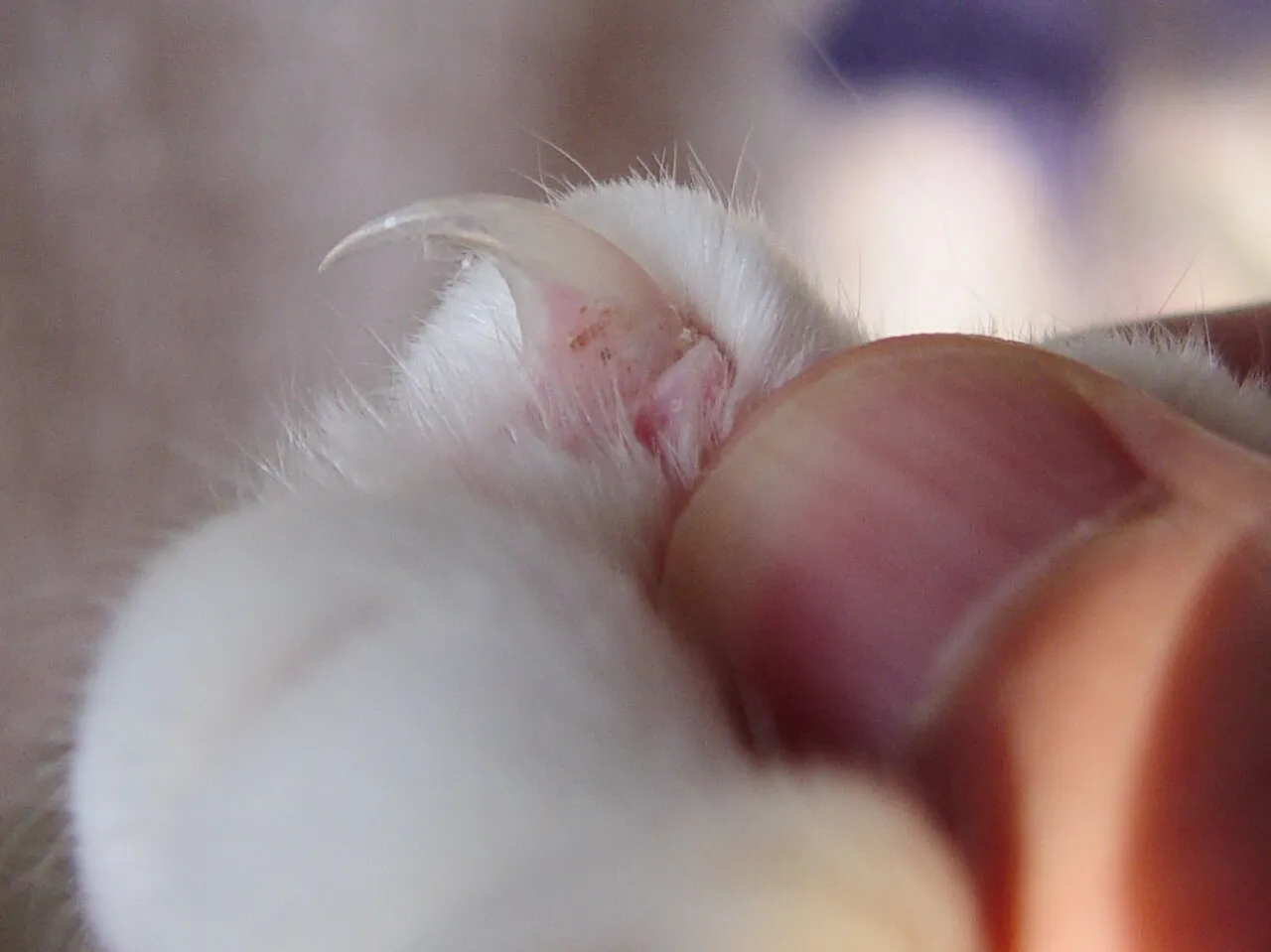
Cats have five toes on each front foot, one of them a raised dewclaw, and four on each hind foot. The claws rest inside protective sheaths and extend when needed; the cheetah is the notable exception in the family. When walking, a cat places each hind foot almost exactly where the front foot landed, leaving a single neat line of prints and making very little noise.
Adults have 30 permanent teeth and kittens 26 milk teeth. The canines are shaped to slide between a prey animal's neck vertebrae, and the cheek teeth work like shears, so cats slice and swallow food rather than chewing it.
4.2. Senses
Cat eyes are enormous for the size of the head, not far off human eye size. Thanks to the reflective tapetum lucidum, cats are thought to need only about a sixth of the light people need to see. The pupil closes to a vertical slit, allowing very fine control of incoming light in bright conditions. Close-up vision is poor, which is why a cat often finds a treat right under its nose by whisker and smell. Cats distinguish blues and greens to some degree but appear to see red poorly.
Hearing is among their sharpest senses, reaching about 64 kHz, well beyond human range, which lets them detect the ultrasonic squeaks of mice. Each ear has more than thirty muscles and can rotate independently through nearly 180 degrees.
Whiskers are richly innervated sensory organs, not ordinary hair. Most cats have about twelve on each side of the muzzle in four rows, plus tufts above the eyes, on the cheeks and on the back of the forelegs. They read air currents and the width of openings, so they must never be trimmed. Some cats dislike deep, narrow bowls that press on their whiskers and eat more happily from wide, shallow dishes.
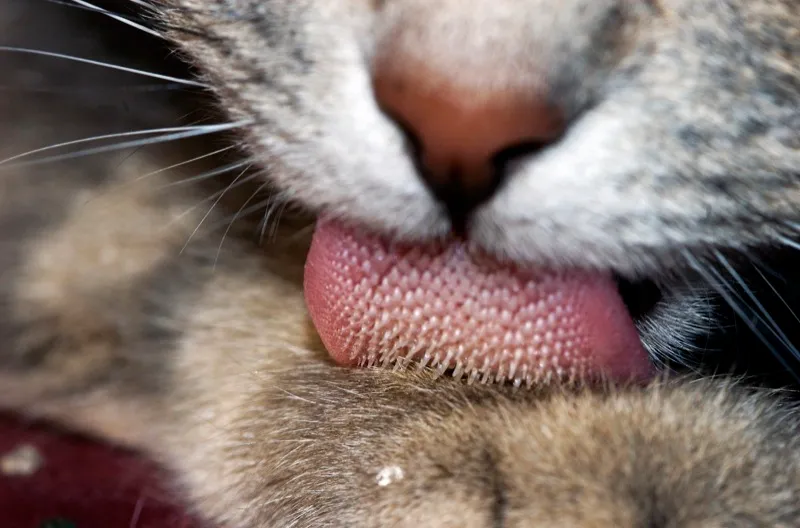
The sense of smell is far keener than ours, and the vomeronasal or Jacobson's organ in the roof of the mouth analyses chemical signals such as pheromones. The open-mouthed, slightly dazed grimace a cat makes after sniffing something interesting is the flehmen response, which draws scent towards that organ. The tongue is covered in backward-facing hooked papillae that comb fur and rasp meat from bone.
4.3. Coat and colour genetics
Coats are short, semi-long or long, and a few breeds stand out: the nearly hairless Sphynx and the curly-coated Devon Rex and Selkirk Rex. Even short-haired cats shed heavily in spring and autumn. Cat allergy is driven mainly by the protein Fel d 1, produced in saliva and skin glands and spread over the fur by grooming, rather than by the hair itself.
Coat colour hides some neat genetics:
| Observation | Explanation |
|---|---|
| Calicos and tortoiseshells are almost always female | The gene for orange sits on the X chromosome, so only a cat with two X chromosomes can show orange and black together. Rare male calicos usually have an XXY chromosome pattern and are generally sterile |
| Orange tabbies are more often male | A male needs only one copy of the orange gene on his single X to be orange |
| Siamese cats are dark only on the face, ears, feet and tail | A temperature-sensitive pigment enzyme works only in the cooler parts of the body; kittens are born almost white and darken with age |
| White cats with blue eyes are often deaf | The dominant white gene also affects inner-ear development; an odd-eyed white cat may be deaf on the blue-eyed side |
| Tabby patterns | Mackerel (striped), classic (swirled), spotted and ticked, where each hair carries bands of colour as in the Abyssinian |
Almost all kittens are born with blue eyes, which begin to change to their adult yellow, green, copper or remain blue from about six to eight weeks.
4.4. Sexing and physiology
To sex a kitten, lift the tail and look at the spacing between the anus and the genital opening. In males there is a gap of about a centimetre where the testicles sit, so the openings look like a colon (:). In females the vertical slit of the vulva sits right under the anus, rather like an upside-down exclamation mark. In very young kittens even vets sometimes get it wrong.
Normal body temperature is about 38 to 39.2°C, resting heart rate 140 to 220 beats per minute and breathing 20 to 30 breaths per minute. A sleeping breathing rate consistently above about 40 a minute can be an early sign of heart or lung disease, so counting your cat's breaths while it sleeps is a simple, useful habit.
5. Breeds and coat types
The main registries are the US-based Cat Fanciers' Association (CFA), The International Cat Association (TICA) and the European FIFe, each recognising a different list: around forty-odd breeds in the CFA and more than seventy in TICA. Most cats worldwide are not pedigrees at all but domestic short- or long-haired mixes, and popularity rankings change from year to year, so the tables below show broad trends.
5.1. Popular breeds in Korea
Surveys of Korean cat owners show domestic short-hairs, known locally as Korean Shorthairs, far outnumbering everything else. Among pedigree cats, the following frequently appear near the top.
| Breed | Origin | Weight | Temperament | Health watch-points |
|---|---|---|---|---|
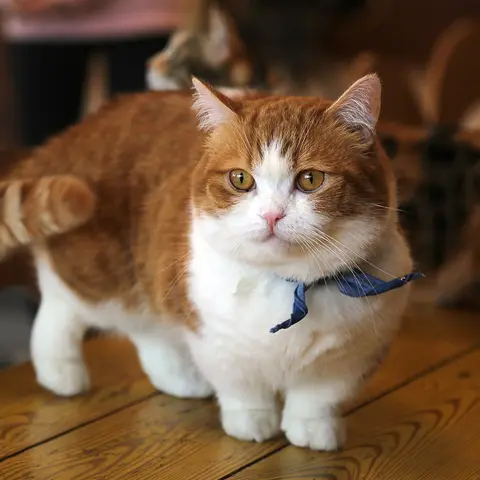
| Korean Shorthair (domestic short-hair) | Korea, a landrace population | 3–6 kg | Personalities vary widely; generally hardy and adaptable | Few breed-specific diseases, but obesity, stomatitis and urinary problems are common |
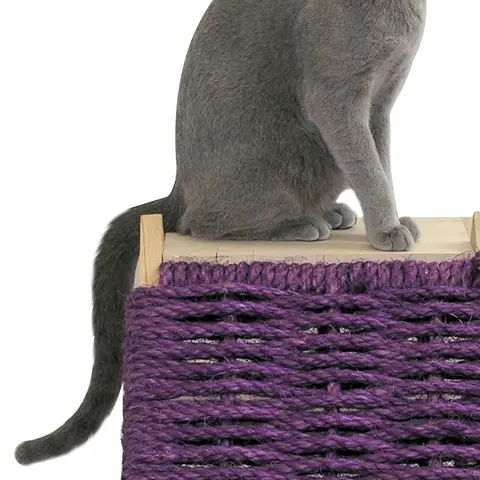
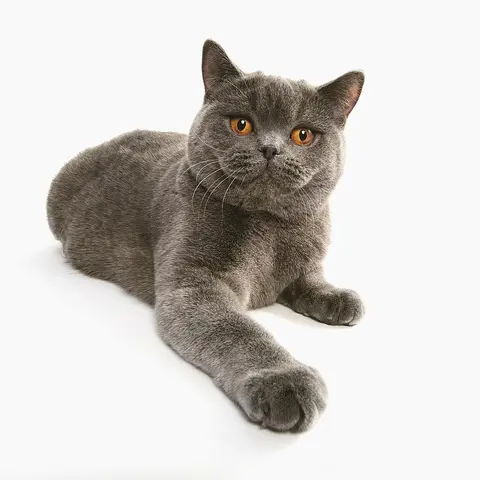
| Russian Blue | Russia | 3–5.5 kg | Quiet and shy with strangers, devoted to family; silver-blue double coat | Obesity, bladder stones |
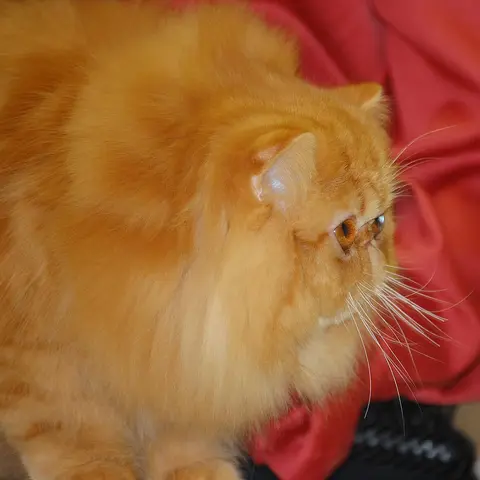
| Persian (incl. Chinchilla) | Persia, developed in Britain | 3.5–6 kg | Placid and gentle; needs daily combing | Polycystic kidney disease, flat-face breathing issues, tear overflow |
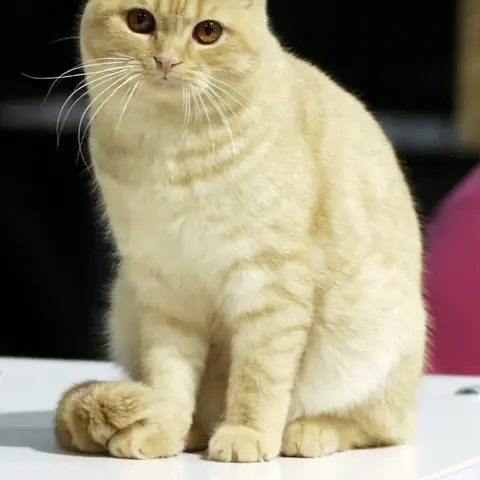
| Scottish Fold | Scotland | 3–6 kg | Folded ears, round face, mellow | Osteochondrodysplasia; the fold gene itself causes cartilage defects |
| British Shorthair | Britain | 4–8 kg | Calm, self-contained, not keen on being carried | Hypertrophic cardiomyopathy, obesity |
| Munchkin | United States | 2.5–4 kg | Short legs, curious and lively | Debate over spinal and joint problems linked to the short-leg gene |
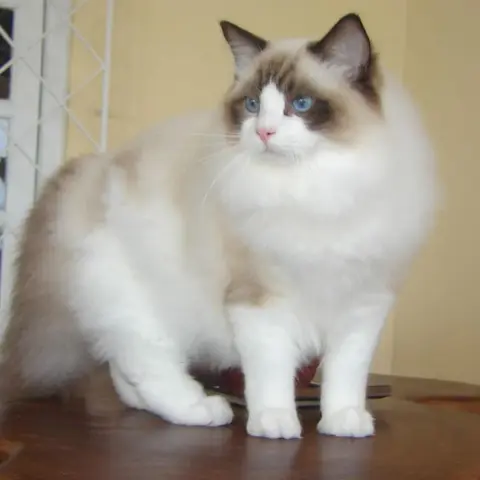
| Ragdoll | United States | 4.5–9 kg | Famously floppy when held, blue eyes | Hypertrophic cardiomyopathy, bladder stones |
| American Shorthair | United States | 3.5–7 kg | Sturdy and sociable, silver classic tabby is iconic | Hypertrophic cardiomyopathy, obesity |
| Siamese | Thailand | 2.5–5 kg | Very vocal and people-oriented | Progressive retinal atrophy, respiratory disease, crossed eyes |
| Norwegian Forest Cat | Norway | 4–9 kg | Large, fluffy, gentle | Hypertrophic cardiomyopathy, glycogen storage disease |
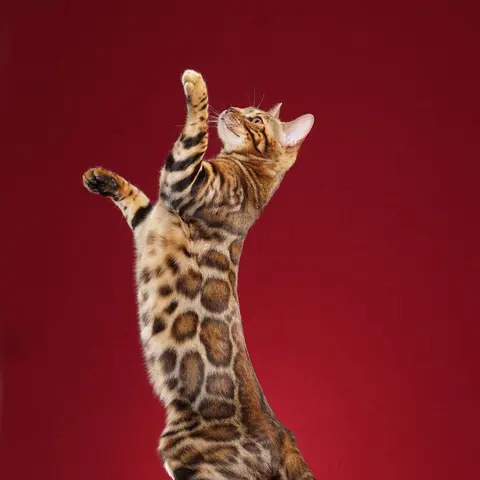
| Bengal | United States (leopard cat hybrid) | 3.5–7 kg | Spotted wild look, extremely active, often enjoys water | Hypertrophic cardiomyopathy, progressive retinal atrophy |
| Turkish Angora | Türkiye | 2.5–5 kg | Elegant long coat, playful and clever | Deafness in white individuals |
The Scottish Fold and Munchkin are popular for their looks, but the very traits that make them distinctive are linked to cartilage and bone abnormalities, and some countries and registries restrict their breeding or refuse to recognise them. Anyone considering these breeds should understand the health implications first.
5.2. Popular breeds worldwide
CFA registration figures in recent years have placed the Ragdoll first, with the Maine Coon, Exotic, Persian, Devon Rex and British Shorthair close behind. In the UK, the British Shorthair has long been among the most registered breeds.
| Breed | Origin | Weight | Notes |
|---|---|---|---|
| Ragdoll | United States | 4.5–9 kg | Semi-long coat, pointed pattern, blue eyes, follows its people around |
| Maine Coon | Maine, United States | 5–11 kg | One of the largest breeds, ear tufts, nicknamed the gentle giant |
| Exotic Shorthair | United States | 3.5–6 kg | Persian face with a short plush coat; easier grooming but flat-face problems remain |
| Persian | Persia/Britain | 3.5–6 kg | Long flowing coat, very quiet |
| Devon Rex | England | 2.5–4 kg | Huge ears and wavy coat, impish personality |
| British Shorthair | Britain | 4–8 kg | Round face, dense coat, calm |
| Sphynx | Canada | 3–5 kg | Nearly hairless, needs warmth and regular skin baths, extremely affectionate |
| Abyssinian | Traditionally linked to Ethiopia | 3–5 kg | Ticked coat with banded hairs, very active |
| Scottish Fold | Scotland | 3–6 kg | Folded ears, joint-disease controversy |
| Siberian | Russia | 4.5–9 kg | Thick triple coat; some individuals produce less Fel d 1, but no cat is guaranteed allergy-safe |
| Bengal | United States | 3.5–7 kg | Wild-looking spots and high energy |
| Birman | Burmese legend, developed in France | 3–6 kg | Pointed coat with four white gloved paws |
When choosing a pedigree, look past the face: consider energy level, grooming time and health screening such as heart ultrasound for hypertrophic cardiomyopathy and DNA tests for polycystic kidney disease.
5.3. Common coat colours of domestic cats
Domestic short-hairs have no breed standard, which is exactly why their coats are so varied. Common descriptions include:
| Name | Colour and pattern | Notes |
|---|---|---|
| Orange or ginger tabby | Orange or cream stripes | Mostly male; often described as especially friendly, though the evidence is anecdotal |
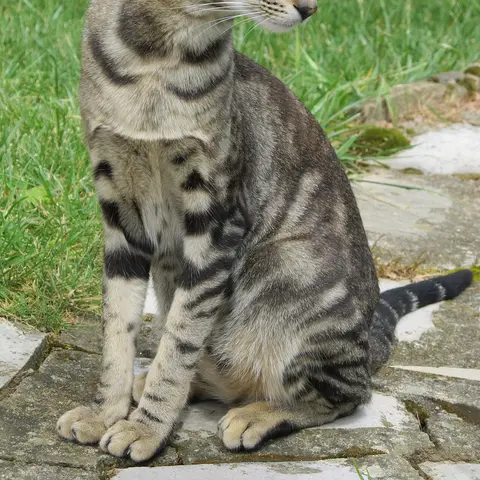
| Brown mackerel tabby | Grey-brown with narrow fish-bone stripes | Closest to the wild ancestor's colouring |
| Calico | White with patches of black and orange | Almost always female |
| Tortoiseshell (tortie) | Black and orange mottled, little or no white | Almost always female; every pattern is unique |
| Tuxedo | Black with a white chest and paws | Looks dressed for a formal dinner |
| Bicolour (cow cat) | White with large black patches | Patch placement differs in every cat |
| Solid black | Entirely black | Faint tabby stripes sometimes show in sunlight |
| Solid white | Entirely white | Check hearing if blue-eyed; prone to sun-induced skin cancer on ear tips |
| Silver tabby | Silver base with black markings | Resembles the American Shorthair |
| Torbie | Tortoiseshell with tabby stripes | Almost always female |
Many people believe coat colour predicts personality, but early socialisation and individual experience matter far more.
6. Behaviour
Holly Cheng · CC BY-SA 3.0
6.1. Wild habits at home
The African wildcat is crepuscular, most active at dusk and dawn, and house cats keep the rhythm. The sudden evening or pre-dawn sprint through the flat, sometimes called the zoomies, is that hunting clock meeting unspent energy. A wild cat may hunt ten or more small prey items a day, failing often, so the sequence of search, stalk, chase, pounce and eat is meant to run many times daily.
Cats sleep or doze 12 to 16 hours a day, and kittens and seniors can approach 20. A large share of waking time, by some observations a third to a half, goes on grooming, which tidies the coat but also helps regulate temperature, manage scent and calm the cat down.
Territory matters. Cats deposit scent from glands in the cheeks, chin, paw pads and the base of the tail. When your cat winds around your legs it is greeting you and also blending its scent with yours to mark you as part of its group. Scratching strips the old outer claw sheaths and leaves both visual and scent marks, so it is a need, not a bad habit.
High perches let a cat survey its surroundings and feel safe, while boxes and tight gaps let it hide and lower stress. Shelter studies have found that cats given a hiding box adapt to new surroundings noticeably faster than cats without one.
6.2. Reading cat body language
Cats are often called expressionless, but tail, ears, eyes, whiskers and posture carry plenty of information.
| Signal | Usual meaning | Check also |
|---|---|---|
| Tail straight up with a slight hook at the tip | Friendly greeting | Approaching and rubbing against you |
| Tail puffed up like a bottle brush | Startled, frightened, defensive | Arched back, standing side-on |
| Tail tip flicking or lashing side to side | Irritation or overstimulation | If you are petting, stop now |
| Ears flattened sideways or back | Fear or imminent aggression | Dilated pupils, crouched body |
| Slow blink | Trust and relaxation | You can answer with a slow blink of your own |
| Rolling over to show the belly | Comfort and trust, not an invitation to rub the belly | Many cats grab and kick if you do |
| Hiss | Warning to keep away | Back off and give space |
| Purring | Usually contentment, but also used for self-soothing when ill or stressed | Consider context and health |
| Kneading with alternating front paws | Comfort behaviour left over from nursing | Common on blankets or a lap |
| Chattering at birds through a window | Mix of predatory excitement and frustration | Perfectly normal |
| Presenting the rear end | Friendly greeting, the cat equivalent of offering a sniff | Not rude by cat standards |
Adult cats rarely meow at each other. Many researchers think the adult meow developed largely as a way to communicate with people, which is why each cat's meows can sound tailored to its own household.
6.3. Common behaviour problems
As with dogs, most cat problems come from an environment that does not meet instinctive needs.
- House soiling: the most common complaint. Causes include cystitis or bladder stones, a dirty box, disliked litter, too few boxes or tension with another cat. Rule out illness with a vet visit first, then review the set-up.
- Spraying: a standing cat with a quivering tail sprays urine on vertical surfaces to mark territory. It is most common in entire males, but neutered cats do it under stress, often triggered by outdoor cats seen through the window.
- Scratching furniture: you cannot stop scratching, only redirect it. Place posts in preferred materials such as cardboard, sisal or carpet next to the targeted furniture and near sleeping spots. Declawing amputates the last bone of each toe and is banned or strongly opposed in many countries.
- Biting and scratching people: petting-induced aggression means the cat has hit its tolerance limit. Stop at the first tail flick or skin ripple, and never use hands as toys.
- Waking you at night: a vigorous hunting game in the evening followed by a meal sets up the natural play, eat, groom, sleep sequence and often quiets the small hours.
- Over-grooming: licking until the belly or thighs go bald can signal stress, allergies or pain and deserves a vet visit.
7. Life stages
Cats race through their first two years, reaching the equivalent of about 15 human years at one and 24 at two, and then add roughly four human years for each calendar year. Life-stage guidelines from bodies such as the American Association of Feline Practitioners look roughly like this:
| Stage | Age | What happens |
|---|---|---|
| Neonate | birth to 2 weeks | Eyes and ears closed; born at about 90–110 g and gaining 10–15 g a day; needs the mother to stimulate toileting |
| Transitional | 2–4 weeks | Eyes open around day 7–10, milk teeth appear, first steps |
| Socialisation | 2–7 weeks (up to about 9) | The key window for accepting people and other animals; kittens not handled now often grow into wary adults |
| Weaning | 4–8 weeks | Shift from milk to solid food; kittens start using litter on their own |
| Kitten | 2 months to 1 year | Vaccines, neutering, intense play and exploration; adult teeth by 4–6 months |
| Young adult | 1–6 years | Settled body and personality, peak activity |
| Mature adult | 7–10 years | Tendency to gain weight; start regular blood tests |
| Senior | 11 years and over | More kidney, thyroid, joint and dental disease; check-ups every six months |
The socialisation window for kittens is earlier and shorter than for puppies. Kittens gently handled by several people and exposed to everyday sounds in those weeks are far more likely to grow into confident adults, while kittens taken from their mother too early or raised without human contact are more prone to fear and behaviour problems later.
7.1. Lifespan
Indoor cats typically live 12 to 18 years, and reaching 20 is no longer unusual. Free-roaming cats face traffic, fights, infectious disease and poisoning and generally have much shorter average lives; for unowned street cats, a lifespan of only a few years is common.
According to Guinness World Records, the oldest cat on record was Creme Puff of Austin, Texas, born in 1967, who lived to 38 years and 3 days.
7.2. Signs of ageing in cats
Cats are masters at hiding discomfort, so age-related changes are easy to miss. These deserve a vet visit:
- Jumping less or hesitating before a leap; studies suggest most older cats have some arthritis
- Drinking more and producing bigger or more frequent urine clumps (kidney disease, diabetes, hyperthyroidism)
- Losing weight despite a good appetite (hyperthyroidism, diabetes, bowel disease, cancer)
- Grooming less, leaving a matted or greasy coat
- Bad breath, drooling or chewing on one side (tooth resorption, stomatitis)
- Loud yowling at night or seeming lost (cognitive dysfunction, high blood pressure)
- Accidents outside the box, sometimes because sore joints make a high-sided box hard to enter
Help a senior cat with a low-entry litter box, steps or intermediate shelves up to favourite perches and a warm, padded bed.
8. Housing
Jennifer Leigh · CC BY 2.0
8.1. Vertical space and hiding places
For a cat, usable three-dimensional space matters more than floor area. Even a studio flat becomes much bigger to a cat when cat trees, wall shelves, catwalks and a window hammock link up into climbing routes. The more cats you have, the more resting spots at different heights you need so they can avoid each other.
Hiding places are essential. Cardboard boxes, cave beds and enclosed cubbies in cat trees, scattered around the home, let a cat manage its own stress when visitors arrive or something loud happens. Never drag a hiding cat out.
A window perch is indoor entertainment, but in high-rise housing open windows are a serious danger. Cats can push out or tear ordinary insect screens, so fit sturdy cat-proof screens or window guards and lock sliding screens. Injuries from falls are common enough to have their own name, high-rise syndrome, and vets in apartment-heavy cities treat them every summer.
8.2. The litter box
The litter box shapes a cat's quality of life more than almost anything else in the home. The usual rules:
- Number: one more box than the number of cats
- Size: at least one and a half times the cat's body length from nose to base of tail; most commercial boxes are too small
- Location: quiet, low-traffic spots away from food and water, with at least one box on every floor of the home
- Litter: most cats prefer fine, unscented clumping litter at least 5 cm deep
- Cleaning: scoop once or twice daily; empty and wash every two to four weeks with mild, unscented soap
Covered boxes keep odour away from people but trap it for the cat and leave only one exit, which some cats dislike. Bolting out right after use, not covering waste or perching on the rim are all signs a cat is unhappy with its box.
| Litter type | Pros | Cons |
|---|---|---|
| Bentonite clay | Strong clumping, the most widely accepted by cats | Heavy, can be dusty, must not be flushed |
| Tofu | Light, some brands flushable | Spoils in humidity, can attract insects |
| Cassava or corn | Light with decent clumping | Quality varies between brands |
| Wood or paper pellets | Low dust, inexpensive | Do not clump, making urine output harder to monitor |
| Silica crystals | Excellent odour control | Some cats dislike the texture |
8.3. Temperature and supplies
Descended from a desert animal, cats enjoy warmth; 20 to 26°C with 40 to 60 percent humidity suits most. Seeking out sunbeams and heated pads is normal, but set heat pads low and cover only part of the bed so the cat can move away, as low-temperature burns happen. In summer, a closed room without air conditioning can overheat dangerously, so keep the home cool when you go out.
Basic supplies to have ready:
- Litter box, litter, scoop and a mat to catch scattered litter
- Wide, shallow food dishes and several water bowls or a fountain
- Complete and balanced food for the cat's life stage, ideally both wet and dry
- A carrier, preferably a hard case with a top-opening lid for easier vet exams
- Scratching posts, at least one vertical and one horizontal
- A cat tree or wall shelves
- A cave bed or simply a sturdy box
- Wand toys, balls and food puzzles; always put string toys away after play
- A rubber brush for short coats or a comb for long coats, plus cat nail clippers
- A toothbrush and cat toothpaste
- Window and balcony screens rated for cats
- Optional pheromone diffusers for anxious cats
Check the home for hazards too: lilies and other toxic plants, thread and hair ties, plastic bags, open washing machines and tumble dryers, and hobs, which cats often jump onto.
9. Diet
9.1. An obligate carnivore
Cats are obligate carnivores: unlike dogs, they cannot thrive without animal protein, and they rely on their food for several nutrients their bodies cannot make in sufficient amounts.
| Nutrient | Why it matters | Deficiency causes |
|---|---|---|
| Taurine | Heart muscle, retina and reproduction | Dilated cardiomyopathy, blindness from retinal degeneration |
| Arginine | Clearing ammonia produced by protein metabolism | Even one arginine-free meal can trigger dangerous hyperammonaemia |
| Arachidonic acid | Skin, blood clotting, reproduction | Skin and fertility problems |
| Vitamin A (retinol) | Cats cannot convert plant beta-carotene into vitamin A | Vision and skin problems |
| Niacin | Cats make very little themselves | Dermatitis, diarrhoea |
That is why dog food or a plant-based diet is dangerous as a cat's main food. Look for a label stating the product is complete and balanced for cats and meets AAFCO or FEDIAF nutrient profiles. Products labelled as complementary, treats or toppers are not meant to be fed alone.
Cats carry a broken version of the gene for the sweet-taste receptor and are essentially blind to sweetness. They are tuned instead to the taste of protein and fat, and palatability depends heavily on smell and temperature. Many cats eat wet food more readily when it is warmed to around 35 to 38°C, close to the body heat of fresh prey.
9.2. How much, how often and water
A neutered indoor adult cat needs roughly 50 to 60 kcal per kilogram of body weight a day, so a 4 kg cat typically needs about 200 to 250 kcal, adjusted for activity and body shape. Start with the label guide and aim for ribs that are easy to feel and a visible waist from above.
| Age | Feeding |
|---|---|
| 4–8 weeks | Mother's milk plus soaked kitten food or weaning mousse, 4–6 times a day |
| 2–6 months | Kitten food, 3–4 meals or free access |
| 6–12 months | Kitten food, 2–3 meals, reducing calories after neutering |
| Adult | Adult food split into 2–4 meals, or a timed feeder |
| 11 years plus | Senior or prescription diet depending on weight and test results |
In the wild a cat eats many small meals a day, so several small portions suit it better than one or two large ones. Putting part of the ration into puzzle feeders lets the cat work for its food as it would when hunting and helps with both weight and boredom.
Cats evolved getting most of their water from prey and have a weak thirst drive. They need roughly 40 to 60 ml of water per kilogram per day, and cats on dry food alone often fall short. Add wet food, put water bowls in several rooms and try a fountain if your cat likes running water. Cats tend to avoid water placed right next to food, so keep the two apart.
A cat that stops eating for more than a day or so can develop hepatic lipidosis, or fatty liver disease, which is especially dangerous in overweight cats. Never starve a cat to force a diet change or weight loss.
9.3. Foods and substances to avoid
| Substance | Why it is dangerous | Main signs |
|---|---|---|
| Lilies (true lilies and daylilies) | Every part, including pollen and vase water, is toxic to the kidneys | Vomiting, drooling, acute kidney failure that can be fatal |
| Onion, garlic, leeks, chives | Damage red blood cells | Anaemia, weakness, discoloured urine |
| Chocolate, coffee, tea, energy drinks | Theobromine and caffeine | Vomiting, agitation, tremors, heart rhythm problems |
| Grapes and raisins | Possible kidney damage | Vomiting, kidney failure |
| Paracetamol (acetaminophen) | Cats lack the liver enzymes to process it | Swollen face, brown gums, breathing difficulty, death |
| Permethrin dog flea products | Neurotoxic to cats | Twitching, tremors, seizures |
| Essential oils such as tea tree, eucalyptus, peppermint | Hard for the feline liver to detoxify | Drooling, wobbliness, liver damage |
| Alcohol and raw dough | Ethanol | Vomiting, collapse |
| Lots of raw fish | Thiaminase in some fish destroys vitamin B1 | Neurological signs |
| Cow's milk | Many adult cats are lactose intolerant | Diarrhoea, bloating |
| String, thread, rubber bands, ribbon | Act as a linear foreign body that bunches the intestines like an accordion | Vomiting, refusing food, emergency surgery |
Human tinned tuna fed as a staple causes nutritional imbalance and raises mercury exposure. Choose products made for cats and keep human fish as an occasional small treat.
10. Health
Augustus Binu : flickr · CC BY-SA 3.0
This section is general information and cannot replace an examination by a vet. Cats instinctively hide illness, so small changes from normal are worth taking seriously.
10.1. Vaccines and parasites
| Vaccine | Protects against | Typical schedule |
|---|---|---|
| Core FVRCP | Feline panleukopenia, feline herpesvirus (cat flu), calicivirus | Starts at 6–8 weeks, every 3–4 weeks until at least 16 weeks, booster at one year, then every one to three years depending on lifestyle |
| Rabies | Rabies | From 12–16 weeks, boosters as local law and lifestyle require |
| Feline leukaemia virus (FeLV) | FeLV infection | Recommended for kittens and cats with outdoor access or contact with unknown cats; test before vaccinating |
| Chlamydia and others | Conjunctivitis and other conditions | Optional, mainly in multi-cat or shelter settings |
Indoor-only cats still need core vaccines, because panleukopenia virus survives for a year or more in the environment and can come in on shoes and clothes.
Fleas, ticks, ear mites, roundworms and tapeworms all need regular control. Heartworm, spread by mosquitoes, also infects cats, and because treatment options in cats are very limited, many vets in mosquito areas recommend monthly prevention. Always use products labelled for cats and never share dog medications.
10.2. Common feline diseases
| Condition | Cause and risk | Main signs | Prevention and care |
|---|---|---|---|
| Feline lower urinary tract disease (FLUTD) | Idiopathic cystitis, stones, urethral plugs; stress, obesity, low water intake | Frequent trips to the box, small amounts of urine, blood in urine, urinating elsewhere | More water, less stress; a male unable to pass urine is an emergency |
| Chronic kidney disease | Age-related loss of kidney function; extremely common in seniors | Drinking and urinating more, weight loss, vomiting, bad breath | Regular blood and urine tests including SDMA, renal diets, fluids |
| Hyperthyroidism | Overactive thyroid; cats over about 10 | Weight loss despite a big appetite, restlessness, vomiting, fast heart | Blood test; medication, iodine-restricted diet or radioactive iodine |
| Hypertrophic cardiomyopathy (HCM) | Thickened heart muscle; inherited in Maine Coons, Ragdolls, British Shorthairs and others | Often silent until breathing trouble or sudden hind-leg paralysis from a clot | Heart ultrasound, DNA tests in some breeds, medication |
| Stomatitis and tooth resorption | Immune reaction; lesions that dissolve tooth structure | Drooling, bad breath, flinching while eating | Regular dental checks, extractions |
| Panleukopenia | A parvovirus; unvaccinated kittens | High fever, severe vomiting and diarrhoea, rapid dehydration | Vaccination; urgent treatment as mortality is high |
| Cat flu (upper respiratory infection) | Herpesvirus and calicivirus; kittens and multi-cat homes | Sneezing, runny nose and eyes, conjunctivitis, mouth ulcers | Vaccination; herpes can flare again under stress |
| Feline infectious peritonitis (FIP) | A mutated form of feline coronavirus; young cats, multi-cat settings | Persistent fever, fluid in the belly, weight loss, neurological signs | Once almost always fatal; antiviral treatment is now used in many countries, so discuss options with a vet |
| Diabetes mellitus | Insulin resistance; overweight males, middle age | Thirst, weight loss, walking flat on the hocks | Insulin, low-carbohydrate diet; remission possible with weight loss |
| Hairballs | Swallowed fur from grooming | Retching, bringing up tubes of fur | Brushing, fibre-enriched food; frequent vomiting needs investigation |
| Ringworm (dermatophytosis) | Fungal infection, transmissible to people | Round patches of hair loss, scaling | Antifungal treatment, cleaning the environment |
A male cat straining in the litter box with little or nothing coming out, or going back again and again, may have a blocked urethra. Within 24 to 48 hours a blockage can cause kidney failure and dangerously high potassium, so treat it as an emergency.
10.3. When to see a vet urgently
Contact a vet or emergency clinic straight away for any of the following:
- Open-mouth breathing or laboured breathing with big belly movements; healthy cats almost never breathe through the mouth
- Straining to urinate with nothing coming out, especially in males
- Sudden dragging of the hind legs, which may feel cold and painful, suggesting a blood clot
- No food at all for 24 hours
- Vomiting several times in a day, or any bloody vomit or stool
- Eating lilies, human medication, string or thread
- Any fall from height, even if the cat seems fine, as chest and jaw injuries are common
- Seizures, collapse, or pale or yellow gums
- A suddenly cloudy eye or one eye held shut
Weighing your cat monthly is a cheap early-warning system. For a 4 kg cat, 200 g is 5 percent of body weight, a change that is easy to miss by eye but often the first clue to illness.
11. Breeding
Cats mature early; a female can come into heat at four to six months. They are long-day seasonal breeders, cycling as daylight lengthens, so in temperate climates most heats fall between spring and autumn, though indoor cats under artificial light may cycle all year. A female in heat yowls, rolls on the floor and adopts a crouch with her rear raised, and if she is not mated she can come back into heat every one to three weeks.
Cats are induced ovulators: mating itself triggers the release of eggs. A female that mates with several males during one heat can therefore carry a litter with more than one father. Pregnancy lasts about 63 to 65 days and an average litter has three to five kittens. Because a queen can come back into heat within weeks of giving birth, an unspayed female may produce two or three litters a year.
Planned breeding demands serious preparation. Pedigree parents should be screened for the inherited diseases of their breed, such as HCM and polycystic kidney disease, and blood-typed. Cats have A, B and AB blood types, and kittens with type A blood born to a type B mother can suffer neonatal isoerythrolysis, a destruction of red blood cells after drinking colostrum. Kittens should stay with their mother and littermates until at least eight weeks, ideally closer to twelve, to learn normal feline social skills.
For pet cats, neutering at around five to six months is widely recommended. It prevents unwanted litters, heat-related stress, spraying and roaming in males, and fight wounds that spread infections such as feline immunodeficiency virus. Spaying before the first heat dramatically reduces the risk of mammary tumours.
Street cat populations are managed humanely through trap-neuter-return (TNR). Neutered street cats usually have the tip of one ear removed under anaesthesia, so an ear-tipped cat is one that has already been through the programme.
12. Costs
These are approximate South Korean figures in won and vary considerably by clinic, region, breed and food choice. Vet fees in many Western countries are higher, but the overall proportions are similar.
| Item | Approximate cost | Notes |
|---|---|---|
| Adoption or purchase | Free to a few hundred thousand won from shelters and foster carers; hundreds of thousands to several million for pedigrees | Shelter adoptions sometimes include vaccines and neutering |
| Starter supplies | 300,000–700,000 won | Litter boxes, carrier, cat tree, scratchers, bowls, toys |
| Window and door screens | Tens of thousands to several hundred thousand won | Depends on number and size of windows |
| Kitten vaccinations | 150,000–300,000 won | Three core doses plus rabies, more with titre tests |
| Neutering | Male 100,000–250,000 won; female 200,000–500,000 won | Varies with pre-surgical blood tests |
| Optional microchip registration | About 10,000–40,000 won | Implanted chip |
| Food, dry and wet | 30,000–80,000 won a month | Rises with the proportion of wet food |
| Litter | 10,000–30,000 won a month | Depends on type and number of cats |
| Treats, toys and consumables | 10,000–30,000 won a month | Varies widely |
| Parasite prevention | 10,000–20,000 won a month | Combined heartworm and flea products |
| Pet insurance | 10,000–50,000 won a month | Depends on age and cover |
| Annual check-up | 100,000–400,000 won | Seniors need blood, heart and imaging tests |
| Period | Rough total |
|---|---|
| First-year setup (excluding purchase price) | 500,000–1,200,000 won or more |
| Monthly basics | 70,000–150,000 won |
| Yearly upkeep | 800,000–2,000,000 won |
| Emergency treatment for a urinary blockage | Several hundred thousand to several million won, depending on hospital stay |
| Full-mouth extractions for stomatitis | Several hundred thousand to over a million won |
| Managing chronic kidney disease | An extra tens of thousands to hundreds of thousands of won a month |
Cats usually cost less per month than dogs, but chronic illness in later life can change the picture quickly. Over a lifespan that may exceed 15 years, putting aside a medical fund from the start is wise.
13. Before you get one
Because cats need no walks, they are often mistaken for low-effort pets, yet they can share your life for 15 to 20 years. Check these points first:
- Is anyone in the household allergic? Spending time with friends' cats or at a cat café before adopting can reveal a reaction.
- Does your lease allow pets, and what does it say about damage to doors and wallpaper?
- Can you fit secure screens to windows and balconies?
- Can you scoop the box and play every day, and who will care for the cat when you travel?
- How do you feel about cat hair on everything and the occasional scratched surface?
- Can you afford the vet bills that come with old age?
- If you already have pets, are you prepared for an introduction that may take weeks or months?
Adoption routes include municipal shelters, private rescues, volunteers fostering rescued street cats and specialist breeders. Adopting an adult means its personality is already known, making it easier to match a cat to your lifestyle. If a lively kitten would be alone for long hours, consider adopting two of similar age together.
For a pedigree, confirm that the breeder is licensed where required, ask for health-screening results for both parents and see where the kittens are raised. Avoid sellers offering kittens under eight weeks old or many breeds at once.
A newly arrived cat may hide or eat little for several days. Start it in one small room with litter, water, food and a hiding place, and let it come out to explore in its own time.
14. Laws
Cat laws vary widely around the world, so check national and local rules.
- Microchipping and registration: England made microchipping compulsory for pet cats from June 2024, and several other countries and many municipalities require it. In South Korea, registration of cats is currently voluntary and uses implanted microchips only; check with your local government for changes.
- Outdoor roaming: some Australian councils impose cat curfews or containment rules to protect wildlife, and a few places elsewhere have similar regulations. Many other countries place no limits on roaming.
- Limits on numbers: some cities cap the number of cats per household without a licence.
- Declawing: banned or restricted in many European countries, parts of Canada and several US states and cities.
- Breeding: some jurisdictions restrict breeding of cats with heritable defects, and debates continue over breeds such as the Scottish Fold.
- Welfare: cruelty, neglect and abandonment are offences in most countries, and that protection generally extends to street cats.
- Sales: many places ban the sale of kittens younger than eight weeks and license commercial breeders.
- Wild cats: servals, caracals and other wild felids are regulated under CITES and national wildlife law, and keeping them privately is heavily restricted or banned in many countries. In Korea the native leopard cat is a protected endangered species.
International travel with a cat typically requires a microchip, rabies vaccination and, for some destinations such as Japan, Australia or New Zealand, a rabies antibody test and a waiting period. Begin several months in advance and confirm details with the destination's official veterinary authority.
15. Cats in culture
15.1. Books, animation and characters
With their air of mystery and mischief, cats populate countless stories. Lewis Carroll's Cheshire Cat fades away until only its grin remains, Puss in Boots outwits an ogre to make his penniless master rich, and Natsume Sōseki's novel I Am a Cat satirises Meiji-era Japanese society through a cat's eyes. T. S. Eliot's poems in Old Possum's Book of Practical Cats became the musical Cats.
Animation is full of them: Tom of Tom and Jerry, the lasagne-loving Garfield, the robot cat Doraemon, the Catbus in My Neighbor Totoro, Jiji in Kiki's Delivery Service and the feline kingdom of The Cat Returns. Sanrio's Hello Kitty, a white cat drawn without a mouth, grew into one of the world's best-known brands.
In Korea, the 2010s brought a wave of webcomics, essays and documentaries about cats, including films following the lives of street cats, which fed public debate about coexistence. Jeong Jae-eun's 2001 film Take Care of My Cat used a stray kitten passed between friends to tell a story about young women finding their way after school.
Online, the cat is arguably the internet's mascot, from early LOLcats image macros to today's short-video platforms, where cat clips are among the most shared animal content of all.
15.2. Proverbs, symbols and superstitions
Proverbs reveal mixed feelings about cats. English warns that curiosity killed the cat, says when the cat's away the mice will play, and describes giving away a secret as letting the cat out of the bag. A Korean saying about belling the cat describes a plan everyone likes but nobody will carry out, and asking a cat to look after fish means trusting the wrong person with something precious.
Japan's maneki-neko, the beckoning cat statue, sits in shop entrances to invite customers and fortune; a raised left paw is said to call in customers and a raised right paw money. Black cats are unlucky in some American and continental European traditions but lucky in parts of Britain and Japan. Cats have also been linked to deities: Bastet in Egypt, and Freyja in Norse myth, whose chariot was drawn by two cats.
The cat is missing from the Chinese zodiac, and folk tales in several countries blame the rat for tricking it out of the race. Vietnam's zodiac, however, includes the cat in place of the rabbit.
16. Trivia
- Like dogs, cats have a unique pattern of bumps and ridges on the nose leather, often compared to a fingerprint.
- Paw pad colour tends to match the coat: black cats usually have black pads, white and orange cats pink ones, and calicos may have a patchwork of colours.
- Cats sweat mainly through their paw pads, so a nervous cat may leave damp footprints on the vet's examination table.
- Purring falls roughly between 25 and 150 Hz. It has been suggested that vibrations in this range might aid bone and tissue healing, but that idea remains unproven.
- Studies of paw preference have found that male cats more often favour the left paw and females the right.
- Isaac Newton is widely credited with inventing the cat flap, but there is no solid evidence for it, so it is best treated as legend.
- Japan has several cat islands, such as Tashirojima and Aoshima, where cats outnumber residents and draw tourists.
- The British prime minister's residence at 10 Downing Street has an official Chief Mouser; Larry has held the post since 2011, outlasting several prime ministers.
- The internet joke that cats are liquid, born of their habit of filling any bowl or box, inspired a tongue-in-cheek physics paper that won an Ig Nobel Prize in 2017.
- Odd eyes, with one eye blue and the other a different colour, are linked to the white-spotting and dominant white genes and are common in Turkish Angoras and Turkish Vans.
- A group of cats is called a clowder, and a group of kittens a kindle.
Health notes are general information. If something seems wrong, contact a vet who treats this species.
🍽️ Can my dog or cat eat this? →
FAQ
Should I get two cats instead of one?
It depends on personality. Two young kittens raised together often entertain each other, which helps if you are out a lot, but some adult cats are happier as the only pet. Adopting from a shelter that knows each cat's temperament takes the guesswork out.
Is it fair to keep a cat indoors only?
Yes, as long as the home offers play, climbing space and a window seat for watching the world. Indoor cats avoid traffic, fights and many infectious diseases, and typically live longer than free-roaming ones.
What kind of litter is best?
Most cats prefer fine, unscented clumping litter. Clay clumps firmly but can be dusty, while tofu, corn or wood litters are lighter and some are flushable. Mix any new litter into the old over a week so your cat accepts the change.
Further reading
- 🗳️ Are you a dog person or a cat person?
- 🗳️ Kibble or raw/home-cooked food: which is better for pets?
- 🗳️ Should cats stay strictly indoors, or is leash walking okay?
- 🗳️ Spay/neuter early, or wait until the pet is fully grown?
- 🌷 Plants and Foods That Are Toxic to Cats
- 📋 Before You Get a Pet: An Honest Checklist
- 🏠 How to Adopt a Shelter or Rescue Animal
- 🐾 The First Week Home With a New Pet
Photo credits
Photos are freely licensed images from Wikimedia Commons. Authors and licenses are listed below.
- Cat August 2010-4.jpg — Alvesgaspar · CC BY-SA 3.0
- Siam lilacpoint.jpg — Karin Langner-Bahmann, upload von Martin Bahmann · CC BY-SA 3.0
- Black cat on blue.jpg — Jennifer C. · CC BY 2.0
- Cat claw closeup.jpg — Holly Cheng · CC BY-SA 3.0
- Cat tongue macro.jpg — Jennifer Leigh · CC BY 2.0
- Domestic Cat Face Shot.jpg — Augustus Binu : flickr · CC BY-SA 3.0